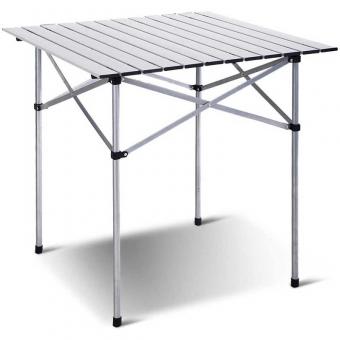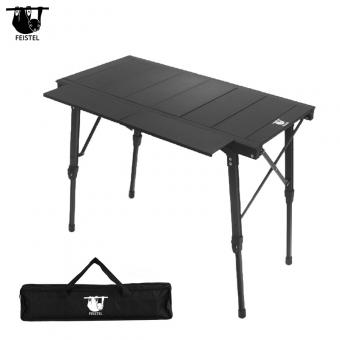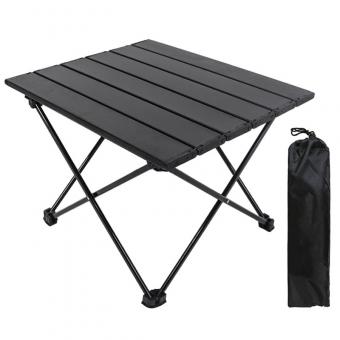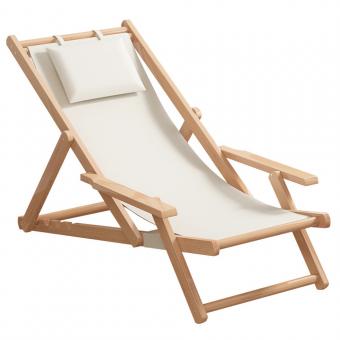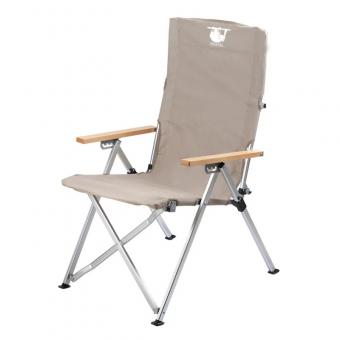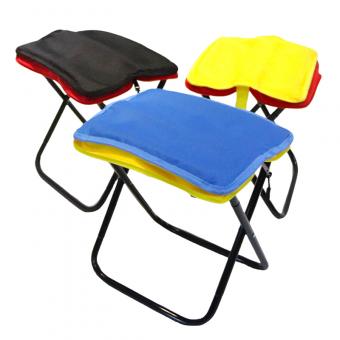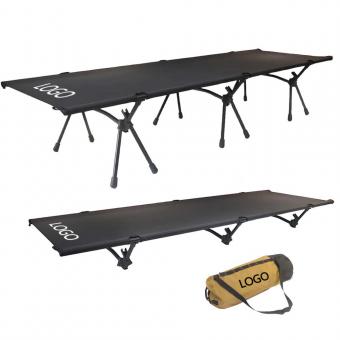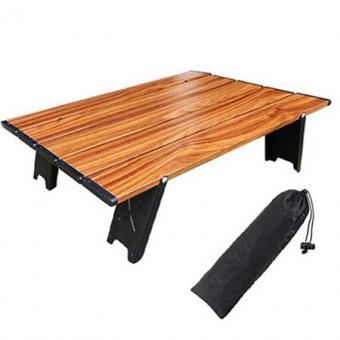
แบรนด์: โรงงาน ANHUI FEISTEL เกี่ยวข้องกับการผลิต: OEM และ ODM สินค้า:โต๊ะปิกนิกน้ำหนักเบา ขนาดเล็ก พับได้ เหมาะสำหรับกิจกรรมกลางแจ้ง ทำจากวัสดุที่ทนทาน พกพาสะดวก ติดตั้งง่าย
Neil ยินดีต้อนรับสู่เว็บไซต์ของเรา !
เรียนรู้เพิ่มเติมตลาดเต็นท์แคมป์ปิ้งระดับโลกเต็นท์แคมป์ปิ้งมีมูลค่าถึง 4.1 พันล้านดอลลาร์สหรัฐในปี 2024โดยเฉพาะเต็นท์ที่ออกแบบสำหรับการใช้งานแบบสองคนเพียงอย่างเดียวสร้างรายได้1.9 พันล้านดอลลาร์สหรัฐและครองส่วนแบ่งตลาด 45%สำหรับแบรนด์อุปกรณ์กลางแจ้ง ผู้ค้าปลีก และผู้ประกอบการที่ต้องการเข้าสู่หรือขยายธุรกิจในตลาดที่มีศักยภาพสูงนี้การปรับแต่ง OEM/ODMคือช่องทางสู่การสร้างความแตกต่าง แต่การปรับแต่งไม่ได้หมายถึงเพียงการติดโลโก้บนสินค้ามาตรฐานเท่านั้น ตั้งแต่การเลือกผ้าและวัสดุเสา ไปจนถึงโทนสีและการดำเนินการด้านแบรนด์ ทุกการตัดสินใจล้วนส่งผลต่อประสิทธิภาพของผลิตภัณฑ์ โครงสร้างต้นทุน และตำแหน่งทางการตลาดของสินค้า
คู่มือนี้จะอธิบายสี่เสาหลักของการปรับแต่งเต็นท์ 2 คน—ผ้า วัสดุเสา สี และการสร้างแบรนด์—พร้อมอธิบายสิ่งที่ผู้ซื้อต้องรู้ก่อนทำการสั่งซื้อครั้งแรก
ผ้าเป็นการตัดสินใจด้านวัสดุที่สำคัญที่สุดเพียงอย่างเดียวในการผลิตเต็นท์ โดยกำหนดน้ำหนัก การกันน้ำ ความทนทาน ความต้านทานรังสี UV และระดับราคา โครงการ OEM ส่วนใหญ่เลือกระหว่างผ้าโพลีเอสเตอร์ ไนลอน และผ้าอ็อกซ์ฟอร์ดที่มีระดับการเคลือบผิวแตกต่างกัน
Denier (D)ใช้วัดความหนาและน้ำหนักของเส้นด้ายผ้า—โดยเฉพาะน้ำหนักเป็นกรัมของเส้นใยเดี่ยวที่มีความยาว 9,000 เมตรตัวเลขที่ต่ำกว่าหมายถึงผ้าที่เบากว่า ส่วนตัวเลขที่สูงกว่าหมายถึงวัสดุที่หนาและแข็งแรงกว่า
ช่วง Denier
การใช้งานทั่วไป
เหมาะที่สุดสำหรับ
7D–20D
เต็นท์ไนลอนน้ำหนักเบาพิเศษ
การแบกเป้เดินทาง นักเดินป่าที่ให้ความสำคัญกับน้ำหนัก
68D–75D
เต็นท์โพลีเอสเตอร์มาตรฐาน
การตั้งแคมป์ทั่วไปแบบ 3 ฤดู
150D–600D
ผ้าอ็อกซ์ฟอร์ดที่ทนทาน
พื้นเต็นท์ พื้นที่ที่มีการเสียดสีสูง
ไนลอนมีน้ำหนักเบาและแข็งแรงกว่าเมื่อเทียบตามน้ำหนัก ทำให้เป็นตัวเลือกยอดนิยมสำหรับเต็นท์เดินป่าแบบแบกเป้โดยไนลอนริปสต็อป 20Dผ้าใบฟลายมีน้ำหนักน้อยกว่าโพลีเอสเตอร์ 75Dผ้าใบฟลาย 75D อย่างเห็นได้ชัด—แต่รุ่น 75D ทนต่อการเสียดสีจากกิ่งไม้และพื้นที่ตั้งแคมป์ที่เป็นหินได้ดีกว่ามากเดนิเยร์ที่ต่ำกว่าไม่ได้ดีกว่าเสมอไป ขึ้นอยู่กับลักษณะการใช้งานของคุณ.
โพลีเอสเตอร์มีความทนทานต่อรังสียูวีได้ดีเยี่ยมและจะไม่หย่อนเมื่อเปียกน้ำ—ข้อได้เปรียบสำคัญสำหรับการตั้งแคมป์ด้วยรถยนต์และการสัมผัสแสงแดดเป็นเวลานาน. เต็นท์ไนลอนอาจสูญเสียความแข็งแรงได้มากถึง50% หลังจากอยู่ท่ามกลางแสงแดดที่รุนแรงบนพื้นที่สูงเพียงสองสัปดาห์.
ผ้าอ็อกซ์ฟอร์ด (150D–600D) มักใช้สำหรับพื้นเต็นท์เนื่องจากทนต่อการเจาะทะลุและมีความทนทาน. โดยทั่วไปพื้นเต็นท์จะใช้ผ้าอ็อกซ์ฟอร์ดหรือวัสดุ PE ที่มีตะเข็บซีลเพื่อป้องกันความชื้นซึมเข้า.
ค่าเฮดแรงดันน้ำ (HH)ใช้วัดความสามารถในการกันน้ำของผ้า โดยเฉพาะความสูงของเสาน้ำที่สามารถก่อตัวได้ก่อนที่น้ำจะซึมผ่าน.
ผ้าเต็นท์ส่วนใหญ่ผ่านการเคลือบด้วยสารเคลือบโพลียูรีเทน (PU) (พบได้ทั่วไปในผ้าโพลีเอสเตอร์) หรือสารเคลือบซิลิโคน (พบได้ทั่วไปในผ้าไนลอน). เต็นท์ระดับพรีเมียมบางรุ่นใช้ซิลิโคนด้านนอกและ PU ด้านในเพื่อประสิทธิภาพสูงสุด. ผู้จัดจำหน่ายที่มีห้องปฏิบัติการทดสอบภายในองค์กรสามารถให้ข้อมูลประสิทธิภาพที่ผ่านการตรวจสอบแล้ว ซึ่งมีความสำคัญอย่างยิ่งสำหรับผู้ซื้อที่มุ่งเป้าตลาดระดับพรีเมียมหรือการใช้งานในสภาพแวดล้อมสุดขั้ว.
ผู้ผลิตระดับแนวหน้าเสนอโซลูชันวัสดุที่ปรับให้เหมาะกับการใช้งานซึ่งครอบคลุมถึงผ้า เสา และส่วนประกอบต่าง ๆ โดยปรับให้เหมาะกับความทนทาน ประสิทธิภาพในการกันน้ำ และสภาพแวดล้อม. ตัวเลือกผ้าแบบสั่งทำที่พบได้ทั่วไป ได้แก่:
ไนลอน 20Dสำหรับเต็นท์แบกเป้น้ำหนักเบาพิเศษ
โพลีเอสเตอร์ 210Tพร้อมเคลือบ PU เพื่อประสิทธิภาพที่สมดุล
ผ้าอ็อกซ์ฟอร์ด 150D–600Dสำหรับพื้นเต็นท์ที่ทนทานและบริเวณที่สึกหรอง่าย
ผ้าแคนวาสผสมโพลีเอสเตอร์และฝ้ายสำหรับการตั้งแคมป์แบบแกลมปิงและการใช้งานระดับพรีเมียม
โครงเต็นท์เป็นตัวกำหนดความแข็งแรงของโครงสร้าง น้ำหนัก และความมั่นคงในการกาง วัสดุที่ใช้กันอย่างแพร่หลายมีสองชนิด: อะลูมิเนียมและไฟเบอร์กลาส.
เสาไฟเบอร์กลาสมีราคาย่อมเยากว่ามีราคาย่อมเยากว่าแต่หนักกว่าและทนทานน้อยกว่าอะลูมิเนียม อายุการใช้งานสั้นกว่า โดยทั่วไปอยู่ที่ 2–5 ปีและอาจเปราะได้เมื่ออยู่ในอุณหภูมิต่ำ. สำหรับเต็นท์ 2 คนราคาประหยัดที่มุ่งเป้าไปที่นักตั้งแคมป์ทั่วไป ไฟเบอร์กลาสยังคงเป็นตัวเลือกที่พบได้ทั่วไป อย่างไรก็ตาม สำหรับการใช้งานกลางแจ้งอย่างจริงจัง อะลูมิเนียมเป็นตัวเลือกที่เหนือกว่าอย่างชัดเจน
เสาอะลูมิเนียมมีน้ำหนักเบากว่าทนทานกว่า และเป็นที่นิยมสำหรับการแบกเป้เมื่อเทียบกับเสาไฟเบอร์กลาสที่มีความแข็งแรงเท่ากันแท่งอะลูมิเนียมกลวงเสริมความแข็งแรงสามารถมีน้ำหนักน้อยกว่าประมาณ 50%.
ในกลุ่มอะลูมิเนียม โลหะผสมแต่ละชนิดให้คุณสมบัติด้านประสิทธิภาพที่แตกต่างกัน:
|
โลหะผสม |
ความแข็งแรง |
น้ำหนัก |
การใช้งานทั่วไป |
|
6061-T6 |
ปานกลาง |
หนักกว่า |
เต็นท์มาตรฐาน คุ้มค่า |
|
7075-T6/T9 |
สูง (แข็งแรงกว่า 6061 มากกว่า 80%) |
เบากว่า (เบากว่า 6061 อยู่ 10–15%) |
เต็นท์ระดับพรีเมียม น้ำหนักเบาพิเศษ |
|
7001-T6 |
สูง (มาตรฐาน DAC) |
น้ำหนักเบา |
เต็นท์เดินป่าระดับพรีเมียม |
อะลูมิเนียม 7075มีความแข็งเกร็ง ความแข็ง และน้ำหนักต่อหน่วยที่เบากว่า จึงเหมาะสำหรับผลิตภัณฑ์ระดับไฮเอนด์ที่มีน้ำหนักเบา. เสา DACโดยทั่วไปผลิตจากวัสดุ 7001 (และมีตัวเลือก 7075 บางรุ่น) ให้ความยืดหยุ่นและความทนทานยอดเยี่ยม.
ผู้ซื้อสามารถระบุได้ดังนี้:
วัสดุของเสา (อะลูมิเนียมหรือไฟเบอร์กลาส)
เส้นผ่านศูนย์กลางของเสา (หนาขึ้น = แข็งแรงขึ้น หนักขึ้น)
ความหนาของผนัง (หนาขึ้น = ทนทานมากขึ้น)
ซัพพลายเออร์ระดับพรีเมียมบางรายมีข้อเสนอเสาอะลูมิเนียมเกรดอากาศยาน 9.5 มม.เพื่อให้ได้อัตราส่วนความแข็งแรงต่อน้ำหนักสูงสุด. สำหรับแบรนด์ที่มุ่งเจาะตลาดน้ำหนักเบาพิเศษที่กำลังเติบโต ซึ่งปัจจุบันผลิตภัณฑ์บางรุ่นมีน้ำหนักต่ำกว่า 2 กก. สำหรับเต็นท์ 2 คนเสาอะลูมิเนียม 7075 จึงเป็นจุดแตกต่างสำคัญ.
สีมักเป็นจุดแตกต่างของแบรนด์ที่มองเห็นได้ชัดเจนที่สุด สีที่ตรงตาม Pantoneช่วยให้สีของเต็นท์ กระเป๋า และอุปกรณ์เสริมมีความสอดคล้องกัน.
การปรับแต่งสีสามารถใช้กับส่วนประกอบหลายส่วน:
ผ้าฟลายชีต
ผ้าเต็นท์ชั้นใน
สายรัดและขอบตกแต่ง
การเย็บ
สีเสา (หากมี)
กระเป๋าใส่และบรรจุภัณฑ์
ผู้ผลิตที่มีชื่อเสียงใช้ การจับคู่สี Pantone เพื่อให้มั่นใจว่าการผลิตสีแบรนด์มีความถูกต้องตรงกัน ซึ่งประกอบด้วย:
การส่งรหัสสี Pantone สำหรับแต่ละส่วนประกอบ
โรงงานผลิตตัวอย่างสีเพื่อขออนุมัติ
การปรับสูตรสีย้อมจนกว่าจะได้สีที่ตรงกันอย่างสมบูรณ์
กำหนดมาตรฐานสีที่ได้รับอนุมัติสำหรับการผลิต
ความสม่ำเสมอของสีได้รับการตรวจสอบระหว่าง การตรวจสอบผ้า ก่อนเริ่มการตัด ซัพพลายเออร์สามารถจับคู่สีแบรนด์ได้ ทั่วทั้งผ้าคลุมเต็นท์ เชือกถัก การเย็บ และกระเป๋า เพื่อให้ผลิตภัณฑ์ในสายเดียวกันมีความกลมกลืน.
สีเข้ม ดูดซับความร้อนได้มากกว่าแต่ซ่อนคราบสกปรกได้ดีกว่า
สีอ่อน เย็นกว่าแต่แสดงคราบได้ง่ายกว่า
สีที่มองเห็นได้ชัดเจน (สีส้ม สีเหลือง) เพิ่มความปลอดภัยและโดดเด่นบนชั้นวางสินค้า
โทนสีกลาง (สีเขียว สีกากี สีเทา) ดึงดูดนักตั้งแคมป์แบบดั้งเดิมและกลมกลืนกับสภาพแวดล้อมทางธรรมชาติ
การสร้างแบรนด์เปลี่ยนเต็นท์ทั่วไปให้เป็นผลิตภัณฑ์ที่สามารถทำตลาดได้ การปรับแต่งแบบ OEM/ODM สำหรับสี โลโก้ และบรรจุภัณฑ์ เป็นบริการมาตรฐานจากผู้ผลิตเต็นท์มืออาชีพ.
ตำแหน่งโลโก้ขึ้นอยู่กับโครงสร้างเต็นท์และประเภทผ้า. ตำแหน่งทั่วไป ได้แก่:
ผ้าคลุมกันฝน (ด้านนอกและ/หรือด้านใน)
ตัวเต็นท์ (ใกล้ประตูหรือแผงด้านข้าง)
กระเป๋าสำหรับพกพา
ถุงสำหรับเก็บของ
บรรจุภัณฑ์ (กล่องขายปลีก ป้ายห้อยสินค้า)
วิธีการพิมพ์แต่ละแบบเหมาะกับการใช้งานที่แตกต่างกัน:
|
วิธีการ |
เหมาะสำหรับ |
ความทนทาน |
ผลกระทบต่อ MOQ |
|
การพิมพ์สกรีน |
โลโก้เรียบง่าย การผลิตจำนวนมาก |
สูง |
ต้นทุนต่อหน่วยลดลงเมื่อผลิตจำนวนมาก |
|
การพิมพ์แบบถ่ายโอนด้วยความร้อน |
ลวดลายซับซ้อน การผลิตล็อตเล็ก |
ปานกลาง |
MOQ ยืดหยุ่น |
|
การพิมพ์ดิจิทัล |
สีเต็มรูปแบบ ลวดลายทั่วทั้งชิ้น |
ปานกลาง |
ต้นทุนสูงขึ้น แต่ MOQ ต่ำลง |
|
การปัก |
การสร้างแบรนด์ระดับพรีเมียม โลโก้ที่มีพื้นผิว |
สูงมาก |
ต้นทุนสูงขึ้น การวางตำแหน่งระดับพรีเมียม |
การพิมพ์โลโก้มักกำหนดให้มีจำนวนสั่งซื้อขั้นต่ำ สำหรับ การพิมพ์สกรีน, MOQ อาจเริ่มต้นที่ 100–200 หน่วยต่อแบบ. สำหรับ การพิมพ์ดิจิทัลหรือการพิมพ์แบบถ่ายโอนด้วยความร้อน, โดยทั่วไปสามารถสั่งซื้อด้วย MOQ ที่ต่ำกว่าได้ ซัพพลายเออร์บางรายเสนอ การพิมพ์โลโก้ฟรีเมื่อสั่งซื้อขั้นต่ำ 10 หน่วย สำหรับบางรุ่น.
MOQ แตกต่างกันอย่างมากและควรสอดคล้องกับรูปแบบธุรกิจของคุณ:
|
ระดับ MOQ |
ช่วงโดยทั่วไป |
เหมาะสำหรับ |
|
ต่ำ |
1–50 ชิ้น |
การเก็บตัวอย่าง ธุรกิจสตาร์ทอัป แบรนด์ DTC ที่กำลังตรวจสอบความเหมาะสมกับตลาด |
|
ระดับกลาง |
100–300 ชิ้น |
การสร้างสมดุลระหว่างประสิทธิภาพด้านต้นทุนกับสินค้าคงคลังที่จัดการได้ |
|
สูง |
1,000+ ชิ้น |
เพิ่มการประหยัดต่อตัวสินค้าให้สูงสุด การจัดจำหน่ายผ่านร้านค้าปลีกขนาดใหญ่ |
สำหรับคำสั่งซื้อแบบขายส่งหรือ OEM โดยทั่วไป MOQ เริ่มต้นที่100–200 หน่วยต่อแบบโดยขึ้นอยู่กับขนาดเต็นท์และความซับซ้อนของการปรับแต่งผู้ซื้อจำนวนมากมักสามารถผสมเต็นท์สำหรับ 1–2 คน, 3–4 คน และ 4 คนขึ้นไปไว้ในตู้คอนเทนเนอร์เดียวกันเพื่อประสิทธิภาพด้านต้นทุน.
ก่อนสั่งซื้อจำนวนมาก ให้ตรวจสอบคุณภาพผ่าน:
การขอตัวอย่างสินค้าจริง—ค่าใช้จ่ายสำหรับตัวอย่างโดยทั่วไปอยู่ที่ $50–$150 และมักคืนเงินได้เมื่อยืนยันคำสั่งซื้อ
การตรวจสอบข้อมูลจำเพาะของผ้า—ยืนยันค่า Denier ประเภทสารเคลือบ และค่า HH เป็นลายลักษณ์อักษร
การตรวจสอบวัสดุเสา—ตรวจสอบประเภทโลหะผสม (6061 เทียบกับ 7075) และความหนาของผนัง
การตรวจสอบการติดเทปตะเข็บ—ตรวจสอบให้แน่ใจว่าเทป PU ถูกติดอย่างสม่ำเสมอโดยไม่มีการพองตัว
การทดสอบการกางเต็นท์—ประกอบเต็นท์ตัวอย่างเพื่อยืนยันความแข็งแรงของโครงสร้าง
มีการตรวจสอบคุณภาพในหลายขั้นตอน: การตรวจสอบผ้า การตรวจสอบงานเย็บ การตรวจสอบการประกอบ การทดสอบการกางเต็นท์ขั้นสุดท้าย และการตรวจสอบการบรรจุ. นอกจากนี้เรายังตรวจสอบการยึดเกาะของเทปตะเข็บสำหรับเต็นท์กันน้ำ—เทปที่หลวมอาจทำให้น้ำรั่วซึมในสภาพฝนตก.
โดยทั่วไปการผลิตตามปกติจะใช้เวลา 30–45 วันหลังจากอนุมัติตัวอย่างการผลิตแบบเร่งด่วนอาจมีให้บริการในช่วงนอกฤดูกาลซัพพลายเออร์ที่มีการผลิตภายในองค์กร—ซึ่งควบคุมการตัด การเย็บ และการประกอบไว้ในโรงงานเดียว—สามารถลดความผันผวนในการผลิตและรักษาคุณภาพที่สม่ำเสมอสำหรับคำสั่งซื้อซ้ำ.
กุญแจสำคัญของการปรับแต่งให้ประสบความสำเร็จคือการเข้าใจข้อแลกเปลี่ยน: ไนลอนช่วยลดน้ำหนักแต่มีความทนทานต่อรังสี UV น้อยกว่า; โพลีเอสเตอร์รับมือกับแสงแดดได้ดีกว่าแต่น้ำหนักมากกว่า; อะลูมิเนียม 7075ให้ความแข็งแรงต่อน้ำหนักในระดับพรีเมียมแต่มีต้นทุนสูงกว่าไฟเบอร์กลาสอย่างมาก; การพิมพ์สกรีนมีความทนทานแต่ต้องการ MOQ ที่สูงกว่าการพิมพ์ดิจิทัล
สำหรับผู้ซื้อแบบ B2B พันธมิตรด้านการผลิตที่เหมาะสมสร้างความแตกต่างอย่างมาก ควรมองหาซัพพลายเออร์ที่มี โรงงานแบบบูรณาการในแนวตั้ง, ห้องปฏิบัติการทดสอบภายในองค์กร, การสื่อสารที่รวดเร็วตอบสนองได้ดี, และ MOQ ที่ยืดหยุ่นซึ่งสอดคล้องกับระยะการเติบโตของธุรกิจของคุณตลาดเต็นท์ 2 คนยังคงเติบโตอย่างต่อเนื่อง—โดยมีอัตราการเติบโตเฉลี่ยต่อปีแบบทบต้น (CAGR) ที่คาดการณ์ไว้ที่ 7.4% ตั้งแต่ปี 2025 ถึง 2034—และแบรนด์ที่ลงทุนในการปรับแต่งอย่างรอบคอบจะอยู่ในตำแหน่งที่ดีที่สุดในการคว้าโอกาสจากการเติบโตดังกล่าว
หมวดหมู่
บล็อกใหม่
แบรนด์: โรงงาน ANHUI FEISTEL เกี่ยวข้องกับการผลิต: OEM และ ODM สินค้า:โต๊ะปิกนิกน้ำหนักเบา ขนาดเล็ก พับได้ เหมาะสำหรับกิจกรรมกลางแจ้ง ทำจากวัสดุที่ทนทาน พกพาสะดวก ติดตั้งง่าย
ยี่ห้อ - โรงงาน ANHUI FEISTEL การผลิตที่เกี่ยวข้อง - โออีเอ็ม และ โอดีเอ็ม ผลิตภัณฑ์ - เก้าอี้พับพระจันทร์แบบโลหะน้ำหนักเบาที่ออกแบบพิเศษให้การรองรับที่ทนทานและความสบาย เหมาะสำหรับการตั้งแคมป์กลางแจ้ง ด้วยการออกแบบที่กะทัดรัด พกพาสะดวก เพื่อการขนส่งและจัดเก็บที่ง่ายดาย
แบรนด์: โรงงาน ANHUI FEISTEL เกี่ยวข้องกับการผลิต: OEM และ ODM สินค้า:โต๊ะปิคนิคพับได้แบบพกพากลางแจ้ง: ดีไซน์อะลูมิเนียมน้ำหนักเบาและทนทาน ปรับความสูงได้ ติดตั้งง่าย พร้อมกระเป๋าพกพาขนาดกะทัดรัดสำหรับการตั้งแคมป์ ปิกนิก และกิจกรรมกลางแจ้ง
แบรนด์ : โรงงาน ANHUI FEISTEL เกี่ยวข้องกับการผลิต: OEM และ ODM สินค้า:โต๊ะตั้งแคมป์ IGT BBQ อเนกประสงค์แบบพกพาพร้อมขาปรับระดับความสูงได้ เหมาะสำหรับทำอาหารกลางแจ้ง ตั้งแคมป์ และปิกนิก น้ำหนักเบาและพับเก็บได้เพื่อการขนย้ายที่ง่ายดาย
แบรนด์ : โรงงาน ANHUI FEISTEL เกี่ยวข้องกับการผลิต: OEM และ ODM สินค้า:โต๊ะพับอลูมิเนียมขนาดกะทัดรัด น้ำหนักเบา เหมาะสำหรับการตั้งแคมป์ ชายหาด หรือกิจกรรมกลางแจ้ง พกพาสะดวก แข็งแรงทนทาน เหมาะสำหรับใส่อาหารและเครื่องดื่ม
ยี่ห้อ - โรงงาน ANHUI FEISTEL การผลิตที่เกี่ยวข้อง - โออีเอ็ม และ โอดีเอ็ม ผลิตภัณฑ์ - เก้าอี้เลานจ์ไม้พับได้สำหรับตั้งแคมป์ตัวนี้มีโครงที่แข็งแรง การออกแบบเอนตามหลักสรีรศาสตร์ และโครงสร้างพับกะทัดรัด เหมาะสำหรับการพักผ่อนที่ชายหาด พื้นที่ตั้งแคมป์ หรือสนามหลังบ้าน
ยี่ห้อ - โรงงาน ANHUI FEISTEL การผลิตที่เกี่ยวข้อง - โออีเอ็ม และ โอดีเอ็ม ผลิตภัณฑ์ - เก้าอี้พับสำหรับตั้งแคมป์กลางแจ้งโครงอลูมิเนียมนี้มีพนักพิงที่ปรับได้ มีน้ำหนักเบาแต่แข็งแรง ให้ความสบายในการพกพาไปตั้งแคมป์ ทริปชายหาด ปิกนิก และพักผ่อนกลางแจ้ง
ยี่ห้อ : โรงงานอันฮุย ไฟสเตล เกี่ยวข้องกับการผลิต : OEM และ ODM ผลิตภัณฑ์ : เก้าอี้พับขนาดเล็กสำหรับเดินป่าและแบ็คแพ็คเกอร์นี้ ผสมผสานดีไซน์พับได้ที่ทำจากผ้าอ็อกซ์ฟอร์ดที่ทนทาน เข้ากับช่องใส่ดินสอที่ออกแบบมาอย่างสร้างสรรค์ มอบความสะดวกในการพกพา ความสบาย และประโยชน์ใช้สอยสำหรับการตั้งแคมป์และการผจญภัยกลางแจ้ง
ยี่ห้อ - โรงงาน ANHUI FEISTEL การผลิตที่เกี่ยวข้อง - โออีเอ็ม และ โอดีเอ็ม ผลิตภัณฑ์ - เตียงนอนเดินทางพร้อมอุปกรณ์เดินป่าราคาส่งเป็นเตียงพับสำหรับตั้งแคมป์ที่ปรับระดับความสูงได้ ให้การรองรับที่แข็งแรง พกพาสะดวก และพักผ่อนได้อย่างสบายสำหรับการผจญภัยกลางแจ้ง
แบรนด์ : โรงงานมณฑลอานฮุย FEISTEL เกี่ยวข้องกับการผลิต: OEM และ ODM สินค้า:เตียงตั้งแคมป์พับแบบพกพาขนาดกะทัดรัดน้ำหนักเบากลางแจ้งเหมาะสำหรับการแบกเป้ มีโครงที่ทนทาน ติดตั้งง่าย และกระเป๋าพกพาที่สะดวกสำหรับการเดินทาง
มาเชื่อมต่อกันเถอะ :