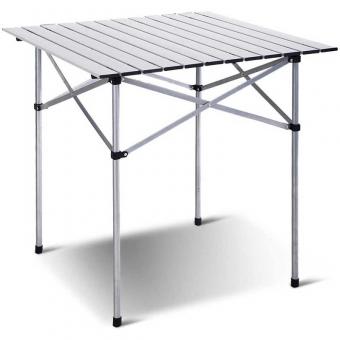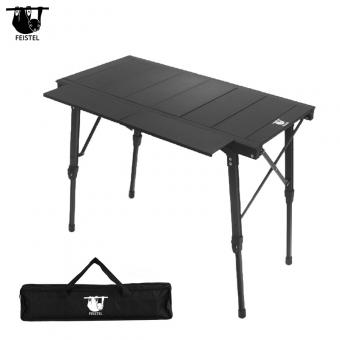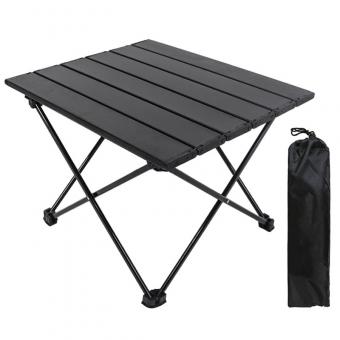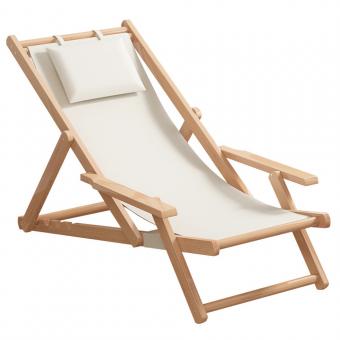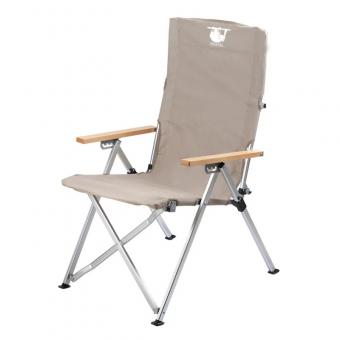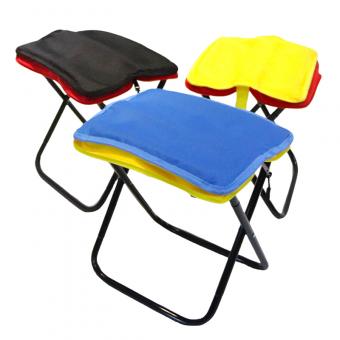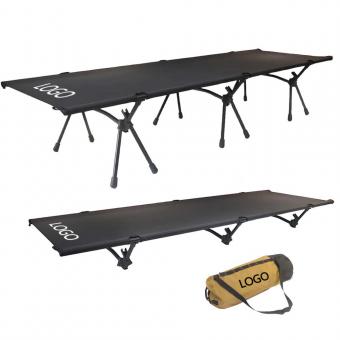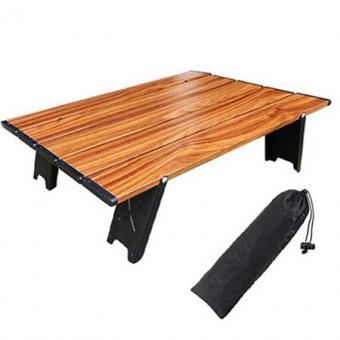
แบรนด์: โรงงาน ANHUI FEISTEL เกี่ยวข้องกับการผลิต: OEM และ ODM สินค้า:โต๊ะปิกนิกน้ำหนักเบา ขนาดเล็ก พับได้ เหมาะสำหรับกิจกรรมกลางแจ้ง ทำจากวัสดุที่ทนทาน พกพาสะดวก ติดตั้งง่าย
Neil ยินดีต้อนรับสู่เว็บไซต์ของเรา !
เรียนรู้เพิ่มเติม
การตั้งแคมป์ในช่วงเปลี่ยนฤดู—ช่วงเวลาอันแสนวิเศษในฤดูใบไม้ผลิและฤดูใบไม้ร่วง เมื่อฝูงชนในฤดูร้อนหายไป และธรรมชาติเผยความงดงามที่สุด—มอบประสบการณ์กลางแจ้งที่คุ้มค่าที่สุด อากาศสดชื่นกำลังดี เส้นทางเดินป่าให้ความรู้สึกเหมือนได้หลีกหนีไปยังที่ส่วนตัว และที่ตั้งแคมป์ก็มอบความสงบเงียบที่นักตั้งแคมป์ในฤดูร้อนไม่เคยได้สัมผัส อย่างไรก็ตาม ความสวยงามในช่วงเปลี่ยนผ่านนี้มาพร้อมกับความท้าทายที่ไม่เหมือนใคร นั่นคือ อุณหภูมิที่เปลี่ยนแปลงอย่างรวดเร็วจากช่วงบ่ายที่อบอุ่นไปสู่ช่วงกลางคืนที่หนาวเย็นอย่างไม่น่าเชื่อ ถุงนอนเพียงใบเดียวมักไม่เพียงพอสำหรับสภาพอากาศเช่นนี้ ทำให้ผู้ตั้งแคมป์หนาวสั่นหรือเหงื่อออกโดยไม่มีทางเลือกที่สบาย นี่คือที่มาของผ้าห่มพกพาขนาดเล็ก—ผ้าห่มน้ำหนักเบาที่พับเก็บได้ ซึ่งสามารถเปลี่ยนระบบการนอนของคุณได้เมื่อใช้ร่วมกันอย่างมีกลยุทธ์ คู่มือนี้จะสำรวจวิธีการใช้ผ้าห่มหลายชั้นอย่างชาญฉลาดสำหรับการตั้งแคมป์ในช่วงเปลี่ยนผ่านฤดู เพื่อให้คุณอบอุ่นโดยไม่ร้อนเกินไป และสบายโดยไม่ต้องพกอุปกรณ์มากเกินไป
ช่วงเปลี่ยนฤดู หมายถึงช่วงเวลาระหว่างฤดูท่องเที่ยวสูงสุดและฤดูท่องเที่ยวปกติ ซึ่งโดยทั่วไปคือฤดูใบไม้ผลิ (เมษายนถึงต้นเดือนมิถุนายน) และฤดูใบไม้ร่วง (กันยายนถึงตุลาคม) ในเขตภูมิอากาศอบอุ่น ในช่วงเวลาดังกล่าว คุณจะได้พบกับอุณหภูมิในเวลากลางวันที่อบอุ่นกว่า เหมาะสำหรับการเดินป่า แมลงรบกวนน้อยลง (ลาก่อนริ้นและตัวต่อ!) และค่าธรรมเนียมที่พักในแคมป์ลดลงอย่างมาก อย่างไรก็ตาม รูปแบบสภาพอากาศกลับคาดเดาได้ยากอย่างยิ่ง บ่ายที่แดดจ้าอาจเปลี่ยนเป็นอุณหภูมิใกล้จุดเยือกแข็งภายในเที่ยงคืน และฝนในฤดูใบไม้ผลิหรืออากาศหนาวจัดในฤดูใบไม้ร่วงอาจมาถึงโดยไม่มีสัญญาณเตือนล่วงหน้า .
ความท้าทายพื้นฐานของการตั้งแคมป์ในช่วงเปลี่ยนฤดูอยู่ที่ความผันผวนของอุณหภูมิ อุณหภูมิสูงสุดในเวลากลางวันอาจสูงถึง 18-22 องศาเซลเซียส (65-72 องศาฟาเรนไฮต์) ซึ่งเหมาะสำหรับกิจกรรมต่างๆ แต่เมื่อพระอาทิตย์ตกดิน อุณหภูมิอาจลดลงเหลือ 4-7 องศาเซลเซียส (40-45 องศาฟาเรนไฮต์) หรือต่ำกว่านั้น ถุงนอนสำหรับฤดูร้อนของคุณ ซึ่งออกแบบมาเพื่อความอบอุ่นสม่ำเสมอตลอดคืน อาจไม่เพียงพอ ในทางกลับกัน ถุงนอนสำหรับฤดูหนาวที่หนาเกินไปจะทำให้คุณเหงื่อออกในตอนเย็นที่อากาศไม่หนาวจัด นี่คือจุดที่วิธีการจัดวางแบบหลายชั้น ซึ่งยืมมาจากระบบการแต่งกาย จะมีประโยชน์อย่างยิ่งสำหรับการจัดเตรียมที่นอนของคุณ .
ผ้าห่มพกพาคือผ้าห่มที่ออกแบบมาให้พับเก็บได้เล็กพอที่จะใส่ในกระเป๋าเสื้อหรือถุงเก็บของได้ ต่างจากผ้าห่มขนสัตว์หนาๆ หรือผ้าห่มขนแกะขนาดใหญ่ ผ้าห่มพกพาคุณภาพดีจะใช้วัสดุที่ทันสมัยเพื่อให้ความอบอุ่นโดยไม่เพิ่มน้ำหนัก ส่วนใหญ่ทำจากผ้าใยสังเคราะห์น้ำหนักเบา—มักเป็นไนลอนหรือโพลีเอสเตอร์—ที่มีคุณสมบัติเป็นฉนวนกันความร้อนที่กักเก็บความร้อนจากร่างกายในขณะที่ยังคงสามารถบีอัดได้สูง เมื่อใช้ร่วมกับวัสดุสะท้อนความร้อน เช่นเดียวกับที่พบในผ้าห่มฉุกเฉิน มันจะช่วยเพิ่มอัตราส่วนความอบอุ่นต่อน้ำหนักของระบบการนอนของคุณได้อย่างมาก .
ถุงนอนแบบดั้งเดิมมีฉนวนกันความร้อนแบบตายตัว คุณจึงอยู่ได้แค่ในถุงนอนหรืออยู่นอกถุงนอนเท่านั้น โดยมีตัวเลือกในการปรับแต่งที่จำกัด แต่ผ้าห่มนั้นมีความยืดหยุ่น คุณสามารถใช้มันคลุมแค่บางส่วน คลุมทั้งตัว หรือใช้ร่วมกับถุงนอนที่มีอยู่แล้วในรูปแบบต่างๆ มากมาย ความสามารถในการปรับตัวนี้สอดคล้องกับสภาพอากาศที่คาดเดาไม่ได้ในช่วงเปลี่ยนฤดู ทำให้คุณสามารถปรับความอบอุ่นได้อย่างละเอียดตามการเปลี่ยนแปลงของสภาพอากาศตลอดทั้งคืน .
ความเข้าใจพื้นฐานเกี่ยวกับฟิสิกส์ความร้อนช่วยอธิบายว่าทำไมการแบ่งชั้นจึงได้ผล ร่างกายสูญเสียความร้อนผ่านกลไกสี่อย่าง ได้แก่ การนำความร้อน (การสัมผัสโดยตรงกับพื้นผิวที่เย็น เช่น พื้นดิน) การพาความร้อน (ความร้อนถูกพัดพาไปโดยอากาศที่เคลื่อนที่) การแผ่รังสี (ความร้อนอินฟราเรดที่หลุดออกไปสู่อวกาศ) และการระเหย (ความชื้นนำพาความร้อนออกไป) ระบบการนอนหลับที่ออกแบบมาอย่างดีจะจัดการกับทุกเส้นทางของความร้อน ฉนวนกันความร้อนที่พื้นช่วยลดการนำความร้อน ชั้นกันลมช่วยลดการพาความร้อน ชั้นสะท้อนแสงช่วยป้องกันรังสี และวัสดุที่ระบายอากาศได้ดีช่วยจัดการการระเหย .
อากาศนิ่งเป็นฉนวนกันความร้อนที่ดีที่สุดอย่างหนึ่งของธรรมชาติ เมื่อคุณห่มผ้าห่มอย่างถูกวิธี คุณจะสร้างช่องว่างอากาศที่ถูกกักไว้ระหว่างแต่ละชั้น ช่องว่างเหล่านี้จะช่วยชะลอการถ่ายเทความร้อนได้อย่างมาก อย่างไรก็ตาม หากคุณบีบอัดช่องว่างอากาศเหล่านี้—โดยการใช้ผ้าห่มหนาเกินไปหรือนอนทับโดยตรง—คุณจะสูญเสียคุณสมบัติในการเป็นฉนวนกันความร้อนไป นี่คือเหตุผลว่าทำไมความหนา (loft) จึงมีความสำคัญ แต่การเว้นระยะห่างระหว่างชั้นอย่างมีกลยุทธ์ก็สำคัญเช่นกัน
ชั้นแรกควรอยู่ติดกับถุงนอนโดยตรง หรือในสภาพอากาศที่ไม่หนาวจัด อาจใช้เป็นผ้าห่มหลักก็ได้ สำหรับบทบาทนี้ ควรเลือก... ผ้าห่มระบายอากาศและดูดซับความชื้น —โดยอุดมคติแล้วควรเป็นผ้าที่ทำจากหรือผสมกับเส้นใยธรรมชาติ เช่น ขนแกะเมอริโน หรือผ้าผสมขนแกะและฝ้าย คุณสมบัติพิเศษของขนแกะ ได้แก่ การดูดซับความชื้นได้มากถึง 30% ของน้ำหนักก่อนที่จะรู้สึกชื้น และจะสร้างความร้อนอ่อนๆ เมื่อเปียกชื้น ชั้นนี้จะช่วยจัดการความชื้นที่ร่างกายผลิตขึ้นขณะนอนหลับ ป้องกันความรู้สึกเหนียวเหนอะหนะที่จะนำไปสู่ความหนาวเย็นในภายหลัง
หากคุณใช้ผ้าห่มพกพาที่ทำจากวัสดุสังเคราะห์เป็นหลัก ตรวจสอบให้แน่ใจว่ามีคุณสมบัติในการระบายความชื้นที่ดี นักตั้งแคมป์บางคนพบว่าการเพิ่ม... ผ้าบุถุงนอน การวางไว้ใต้ผ้าห่มจะช่วยเพิ่มทั้งความอบอุ่นและการระบายความชื้น .
ชั้นกลางเป็นส่วนที่ให้ความอบอุ่นได้ดีที่สุด ตรงนี้จะเป็นส่วนที่ถุงนอนหรือผ้าห่มหนาๆ ที่ให้ความอบอุ่นเข้ามามีบทบาท ถ้าคุณใช้ผ้าห่มแบบพับได้ร่วมกับถุงนอน ให้วางผ้าห่มแบบพับได้ไว้ด้านล่าง เกิน วางผ้าห่มไว้ด้านบนถุงนอน ไม่ใช่ด้านล่าง วิธีนี้จะช่วยให้ความฟูของถุงนอนคงอยู่โดยไม่ถูกกดทับ ในขณะที่ผ้าห่มจะกักเก็บอากาศอุ่นเพิ่มเติมไว้ด้านบน .
สำหรับผู้ที่ใช้ผ้าห่มหลายผืน โปรดพิจารณาหลักการนี้: ของคุณ ชั้นกลางควรมีความฟูสูงพอสมควร เพื่อสร้างช่องว่างอากาศที่สำคัญเหล่านั้น ผ้าห่มขนเป็ดให้ความอบอุ่นได้ดีเยี่ยมเมื่อเทียบกับน้ำหนัก แต่จะสูญเสียประสิทธิภาพในการเก็บความอบอุ่นเมื่อเปียก ใยสังเคราะห์จะทำงานได้ดีกว่าในสภาพชื้น ซึ่งเป็นข้อพิจารณาที่สำคัญสำหรับการตั้งแคมป์ในช่วงเปลี่ยนฤดูที่มักมีความชื้นสูง .
นี่คือจุดเด่นที่แท้จริงของผ้าห่มพกพา ผ้าห่มน้ำหนักเบา ผสมผสานหรือสามารถใช้ร่วมกันได้ วัสดุสะท้อนแสง คล้ายกับผ้าห่มฉุกเฉิน พื้นผิวสะท้อนแสงเหล่านี้จะสะท้อนความร้อนจากร่างกายกลับมาหาคุณ แทนที่จะปล่อยให้ความร้อนนั้นระเหยออกไปในอากาศเย็นยามค่ำคืน .
เพื่อให้ได้ผลลัพธ์ที่ดีที่สุด: วางผ้าห่มสะท้อนแสงไว้ใกล้กับตัวคุณ ชั้นนอกสุด (หรือวางไว้ระหว่างชั้นฉนวนและชั้นนอกสุด) ด้านที่มันวาวควรหันเข้าหาตัวเพื่อสะท้อนความร้อนกลับ อย่างไรก็ตาม ตรวจสอบให้แน่ใจว่าชั้นนี้ไม่ได้สัมผัสกับผิวหนังหรือถุงนอนโดยตรง เนื่องจากวัสดุสะท้อนแสงที่ไม่ระบายอากาศอาจกักเก็บความชื้น ทำให้เกิดปัญหาการควบแน่น เว้นช่องว่างอากาศเล็กๆ ระหว่างชั้นสะท้อนแสงและชั้นฉนวน เพื่อให้ไอน้ำระเหยออกไปได้ ในขณะที่ยังคงสะท้อนความร้อนอยู่ .
ผู้ใช้งานในฟอรัมรายหนึ่งที่ทดลองใช้การจัดวางแบบเดียวกันได้สังเกตเห็นความสำเร็จในการใช้ผ้าห่มไมลาร์เป็นชั้นนอกสุดทับวัสดุฉนวน โดยเว้นระยะห่างที่เหมาะสมเพื่อป้องกันการควบแน่น ซึ่งพิสูจน์ได้ว่าแม้แต่แนวทางแบบทำเองก็ได้ผลอย่างมีประสิทธิภาพ .
ชั้นสุดท้ายมีจุดประสงค์สองประการ คือ ป้องกันการสูญเสียความร้อนจากการพาความร้อน (ลม) และให้ฉนวนกันความร้อนเพิ่มเติม ซึ่งอาจเป็น... ผ้าห่มชั้นนอกกันน้ำ ถุงนอนแบบพกพา หรือแม้แต่ผ้าใบกันน้ำที่ออกแบบมาอย่างดีเพื่อปิดล้อมพื้นที่นอนของคุณ หัวใจสำคัญคือการสร้างกำแพงกั้นเพื่อป้องกันไม่ให้ลมพัดพาความอบอุ่นที่คุณกักเก็บไว้อย่างดีออกไป
หากผ้าห่มพกพาของคุณไม่มีคุณสมบัติกันลม ลองพิจารณาดูว่าคุณจะนำไปใช้ร่วมกับอุปกรณ์อื่นๆ ได้อย่างไร ผ้าห่มขนสัตว์สไตล์ทหาร สามารถใช้เป็นชั้นนอกที่ยอดเยี่ยมในสภาพอากาศแห้ง โดยยังคงคุณสมบัติการเป็นฉนวนไว้ได้แม้ในขณะที่ชื้น สำหรับสภาพแวดล้อมที่ชื้นแฉะ เสื้อชั้นนอกที่กันน้ำแต่ระบายอากาศได้ดีนั้นมีประโยชน์อย่างยิ่ง
การพูดถึงความอบอุ่นจะไม่สมบูรณ์หากไม่กล่าวถึงสิ่งที่อยู่ใต้ตัวคุณ พื้นดินทำหน้าที่เป็นแหล่งดูดซับความร้อนขนาดใหญ่ ดึงความอบอุ่นจากร่างกายของคุณผ่านการนำความร้อน ในหลายสถานการณ์ แผ่นรองนอนของคุณมีความสำคัญมากกว่าฉนวนกันความร้อนด้านบนเสียอีก
เมื่อวางผ้าห่มหลายชั้น ให้พิจารณาว่าผ้าห่มเหล่านั้นเข้ากันกับแผ่นรองนอนของคุณอย่างไร การสอดผ้าห่มไว้ใต้ตัวจะทำให้ฉนวนกันความร้อนของผ้าห่มถูกกดทับ ทำให้ประสิทธิภาพลดลง ควรตรวจสอบให้แน่ใจว่าแผ่นรองนอนของคุณมีฉนวนกันความร้อนที่เพียงพอ ค่า R (ค่าฉนวนกันความร้อน) สำหรับสภาพแวดล้อม—ควรเลือกค่า R-Value ที่ 3 ขึ้นไปสำหรับการตั้งแคมป์ในช่วงเปลี่ยนฤดู จากนั้นจัดผ้าห่มให้คลุมลงมาด้านข้าง เพื่อสร้างลักษณะคล้ายรังไหมที่กักเก็บความอบอุ่นโดยไม่ทำให้รู้สึกอึดอัด
แนวคิดระบบการนอนแบบแยกส่วน—การเลือกใช้แผ่นรองนอน ถุงนอน และผ้าห่มให้เหมาะสมกับสภาพแวดล้อม—ให้ประสิทธิภาพสูงสุดด้วยน้ำหนักและปริมาณการจัดเก็บที่น้อยที่สุด .
ผ้าขนสัตว์เป็นสิ่งที่ควรให้ความสนใจเป็นพิเศษสำหรับการตั้งแคมป์ในช่วงเปลี่ยนฤดู ขนแกะเมอริโนที่มีเส้นใยขนาดเส้นผ่านศูนย์กลางต่ำกว่า 19.5 ไมครอน ให้ความนุ่มนวลต่อผิวโดยไม่ทำให้คัน ผ้าห่มขนสัตว์สามารถระบายความชื้นได้ดีตามธรรมชาติ ป้องกันกลิ่นไม่พึงประสงค์ และคงคุณสมบัติในการเป็นฉนวนได้แม้ในขณะที่เปียกชื้น โครงสร้างที่เป็นลอนของเส้นใยขนสัตว์สร้างช่องว่างอากาศที่ยืดหยุ่นซึ่งต้านทานการกดทับ หมายความว่าผ้าห่มขนสัตว์ของคุณจะยังคงทำหน้าที่เป็นฉนวนได้แม้จะมีน้ำหนักกดทับเพียงบางส่วน .
ผ้าฝ้ายแม้จะสวมใส่สบาย แต่จะมีประสิทธิภาพต่ำเมื่อเปียกน้ำ และโดยทั่วไปควรหลีกเลี่ยงการใช้ผ้าฝ้ายในการตั้งแคมป์ที่ต้องทำกิจกรรมต่างๆ อย่างไรก็ตาม เสื้อชั้นนอกที่ทำจากผ้าฝ้ายแคนวาสสามารถป้องกันลมและสภาพอากาศได้ดีเยี่ยมเมื่อรักษาให้แห้งอยู่เสมอ .
ผ้าห่มสังเคราะห์สมัยใหม่มีประสิทธิภาพที่น่าประทับใจ โดยเฉพาะอย่างยิ่งในสภาวะเปียกชื้น วัสดุต่างๆ เช่น พรีมาลอฟท์ และฉนวนกันความร้อนขั้นสูงอื่นๆ เลียนแบบความฟูของขนเป็ด ในขณะที่ยังคงรักษาคุณสมบัติการเป็นฉนวนไว้ได้แม้ในสภาพชื้น ผ้าห่มขนแกะและผ้าห่มขนปุย ให้ความอบอุ่นได้ดีเยี่ยมเมื่อเทียบกับน้ำหนัก และแห้งเร็ว ทำให้เหมาะสำหรับสภาพแวดล้อมที่มีความชื้นสูง .
ผ้าห่มที่ผสมผสานหรือออกแบบมาเพื่อใช้คู่กับ ฟิล์มโลหะสะท้อนแสง (เช่น ผ้าห่มกันความร้อน) ให้ความอบอุ่นอย่างมากโดยมีน้ำหนักเบา วัสดุเหล่านี้สะท้อนความร้อนจากร่างกายกลับมาหาคุณได้ถึง 90% อย่างไรก็ตาม เนื่องจากระบายอากาศได้ไม่ดี จึงจำเป็นต้องดูแลรักษาอย่างระมัดระวังเพื่อป้องกันความชื้นสะสม .
นิตยสาร Backpacker นำเสนอ 7 เทคนิคการช่วยชีวิตด้วยผ้าห่มกันความร้อน รวมถึงการใช้เป็นแผ่นสะท้อนความร้อนเพื่อสะท้อนความอบอุ่นจากกองไฟกลับมาหาตัว หรือการห่อตัวผู้ที่มีภาวะอุณหภูมิร่างกายต่ำกว่าปกติแบบ "เบอร์ริโต" โดยให้ด้านที่สะท้อนความร้อนอยู่ด้านในเป็นชั้นนอกสุดทับเสื้อผ้าที่อบอุ่นและถุงนอน .
สำหรับการตั้งแคมป์ด้วยรถยนต์หรือการตั้งแคมป์แบบฐานทัพที่น้ำหนักไม่ใช่ปัญหาสำคัญ ลองพิจารณาระบบสามชั้นนี้:
ฐาน : ผ้ารองถุงนอนระบายความชื้น หรือผ้าห่มขนสัตว์เนื้อบางเบาแนบกับผิวหนัง
แกนกลาง ถุงนอนที่คุณใช้เป็นประจำ (เหมาะสำหรับอุณหภูมิที่สูงกว่าที่คาดไว้ 5-10 องศาเซลเซียส)
ด้านนอก : ผ้าห่มสะท้อนแสงแบบพกพาคลุมทับถุงนอน พร้อมชั้นนอกกันน้ำสำหรับคืนที่มีลมแรง
การออกแบบนี้ช่วยให้ปรับเปลี่ยนได้ง่าย—ถอดชั้นสะท้อนแสงออกในคืนที่อากาศไม่หนาวจัด และใส่กลับเข้าไปเมื่ออุณหภูมิลดลงอย่างไม่คาดคิด
สำหรับนักเดินทางแบ็คแพ็คที่ใส่ใจทุกรายละเอียด ระบบลดน้ำหนักแบบเรียบง่ายอาจประกอบด้วย:
เอ ผ้าห่มนอนน้ำหนักเบา (ช่วยลดน้ำหนักเมื่อเทียบกับกระเป๋าแบบเต็มใบ)
เอ ผ้าห่มพกพาอเนกประสงค์ ที่มีคุณสมบัติสะท้อนแสง
การใช้เสื้อผ้าหลายชั้นอย่างมีกลยุทธ์เพื่อเป็นฉนวนเสริม
แนวทางแบบแยกส่วนนี้ช่วยให้คุณปรับตัวเข้ากับสภาพแวดล้อมที่เปลี่ยนแปลงได้โดยไม่ต้องพกอุปกรณ์เฉพาะสำหรับทุกสถานการณ์ .
บางครั้งคุณอาจไปถึงที่ตั้งแคมป์โดยไม่ได้เตรียมตัวรับมือกับความหนาวเย็นที่จะเกิดขึ้นจริง ในสถานการณ์เช่นนี้ ผ้าห่มพกพาของคุณจึงกลายเป็นสิ่งจำเป็น เครื่องมือสำคัญในการเอาชีวิตรอด ใช้เพื่อ:
เพิ่มชั้นกันหนาวอีกชั้นไว้ในถุงนอนของคุณ
การสวมเสื้อผ้าหลายชั้นที่หนาและระบายอากาศไม่ดีจะกักเก็บความชื้นไว้กับร่างกาย เมื่อความชื้นซึมขึ้นไปใต้ชั้นเสื้อผ้า กลไกการระบายความร้อนตามธรรมชาติของผิวหนัง (การระเหย) จะหยุดชะงัก ทำให้เกิดสภาพแวดล้อมที่อับชื้นและรู้สึกหายใจไม่ออก ควรตรวจสอบให้แน่ใจเสมอว่าอย่างน้อยชั้นในสุดของเสื้อผ้าสามารถระบายไอน้ำได้
การนอนทับชั้นผ้าห่มโดยตรงจะกดทับความฟูของผ้าห่ม ทำให้ไม่มีช่องว่างอากาศ และทำลายประสิทธิภาพการเป็นฉนวน ควรดูแลรักษาฉนวนให้ดี รอบๆ คุณ ไม่ได้ถูกบีบอัด ภายใต้ คุณ .
แม้แต่ระบบผ้าห่มที่ทันสมัยที่สุดก็ไร้ประโยชน์หากความร้อนสูญเสียไปทางพื้นดิน ลงทุนซื้อแผ่นรองนอนที่มีค่า R-value ที่เหมาะสมกับสภาพแวดล้อมของคุณ .
วัสดุบางชนิดเมื่อนำมาผสมกันอาจส่งผลเสียต่อกัน ตัวอย่างเช่น การใช้ผ้าห่มขนสัตว์ร่วมกับผ้าฟลีซโพลีเอสเตอร์ อาจทำให้เกิด "การแข่งขันในการดูดซับความชื้น" ซึ่งวัสดุทั้งสองจะพยายามจัดการความชื้น ทำให้การระเหยช้าลง เส้นใยธรรมชาติโดยทั่วไปเข้ากันได้ดี เช่นเดียวกับเส้นใยสังเคราะห์ที่มีคุณสมบัติคล้ายคลึงกัน
เพื่อให้มั่นใจว่าผ้าห่มพกพาของคุณใช้งานได้เมื่อจำเป็น:
ทำความสะอาดตามคำแนะนำของผู้ผลิต ผ้าขนสัตว์ต้องการการดูแลอย่างอ่อนโยน
ตรวจสอบสารเคลือบสะท้อนแสงเป็นระยะเพื่อดูว่ามีการหลุดลอกหรือไม่
ควรเก็บผ้าห่มให้แห้งระหว่างการใช้งาน เพราะความชื้นจะทำให้คุณสมบัติในการเป็นฉนวนลดลง
การตั้งแคมป์ในช่วงเปลี่ยนฤดูมอบรางวัลที่นักท่องเที่ยวในฤดูร้อนไม่เคยได้รับ นั่นคือ ความสงบเงียบ ความงดงามของธรรมชาติ และการเชื่อมต่อกับธรรมชาติอย่างลึกซึ้งยิ่งขึ้น กุญแจสำคัญในการเพลิดเพลินกับประโยชน์เหล่านี้อยู่ที่การควบคุมสภาพอากาศที่แปรปรวนด้วยการเลือกอุปกรณ์อย่างชาญฉลาด ผ้าห่มพกพาที่จัดวางอย่างเหมาะสมในระบบการนอนของคุณ จะเปลี่ยนจากอุปกรณ์เสริมธรรมดาเป็นเครื่องมือที่จำเป็น การเข้าใจวิทยาศาสตร์ของการสูญเสียความร้อน การเลือกวัสดุที่เหมาะสม และการหลีกเลี่ยงข้อผิดพลาดทั่วไป คุณสามารถสร้างระบบการนอนที่ปรับตัวเข้ากับทุกฤดูกาลได้ ไม่ว่าคุณจะกำลังชมหมอกที่ลอยขึ้นจากทะเลสาบพร้อมกับจิบชา หรือฟังเสียงฝนในฤดูใบไม้ร่วงจากที่พักอันแสนสบาย การจัดวางเสื้อผ้าอย่างเหมาะสมจะช่วยให้คุณอบอุ่นเพียงพอที่จะดื่มด่ำกับทุกช่วงเวลา .
หมวดหมู่
บล็อกใหม่
แบรนด์: โรงงาน ANHUI FEISTEL เกี่ยวข้องกับการผลิต: OEM และ ODM สินค้า:โต๊ะปิกนิกน้ำหนักเบา ขนาดเล็ก พับได้ เหมาะสำหรับกิจกรรมกลางแจ้ง ทำจากวัสดุที่ทนทาน พกพาสะดวก ติดตั้งง่าย
ยี่ห้อ - โรงงาน ANHUI FEISTEL การผลิตที่เกี่ยวข้อง - โออีเอ็ม และ โอดีเอ็ม ผลิตภัณฑ์ - เก้าอี้พับพระจันทร์แบบโลหะน้ำหนักเบาที่ออกแบบพิเศษให้การรองรับที่ทนทานและความสบาย เหมาะสำหรับการตั้งแคมป์กลางแจ้ง ด้วยการออกแบบที่กะทัดรัด พกพาสะดวก เพื่อการขนส่งและจัดเก็บที่ง่ายดาย
แบรนด์: โรงงาน ANHUI FEISTEL เกี่ยวข้องกับการผลิต: OEM และ ODM สินค้า:โต๊ะปิคนิคพับได้แบบพกพากลางแจ้ง: ดีไซน์อะลูมิเนียมน้ำหนักเบาและทนทาน ปรับความสูงได้ ติดตั้งง่าย พร้อมกระเป๋าพกพาขนาดกะทัดรัดสำหรับการตั้งแคมป์ ปิกนิก และกิจกรรมกลางแจ้ง
แบรนด์ : โรงงาน ANHUI FEISTEL เกี่ยวข้องกับการผลิต: OEM และ ODM สินค้า:โต๊ะตั้งแคมป์ IGT BBQ อเนกประสงค์แบบพกพาพร้อมขาปรับระดับความสูงได้ เหมาะสำหรับทำอาหารกลางแจ้ง ตั้งแคมป์ และปิกนิก น้ำหนักเบาและพับเก็บได้เพื่อการขนย้ายที่ง่ายดาย
แบรนด์ : โรงงาน ANHUI FEISTEL เกี่ยวข้องกับการผลิต: OEM และ ODM สินค้า:โต๊ะพับอลูมิเนียมขนาดกะทัดรัด น้ำหนักเบา เหมาะสำหรับการตั้งแคมป์ ชายหาด หรือกิจกรรมกลางแจ้ง พกพาสะดวก แข็งแรงทนทาน เหมาะสำหรับใส่อาหารและเครื่องดื่ม
ยี่ห้อ - โรงงาน ANHUI FEISTEL การผลิตที่เกี่ยวข้อง - โออีเอ็ม และ โอดีเอ็ม ผลิตภัณฑ์ - เก้าอี้เลานจ์ไม้พับได้สำหรับตั้งแคมป์ตัวนี้มีโครงที่แข็งแรง การออกแบบเอนตามหลักสรีรศาสตร์ และโครงสร้างพับกะทัดรัด เหมาะสำหรับการพักผ่อนที่ชายหาด พื้นที่ตั้งแคมป์ หรือสนามหลังบ้าน
ยี่ห้อ - โรงงาน ANHUI FEISTEL การผลิตที่เกี่ยวข้อง - โออีเอ็ม และ โอดีเอ็ม ผลิตภัณฑ์ - เก้าอี้พับสำหรับตั้งแคมป์กลางแจ้งโครงอลูมิเนียมนี้มีพนักพิงที่ปรับได้ มีน้ำหนักเบาแต่แข็งแรง ให้ความสบายในการพกพาไปตั้งแคมป์ ทริปชายหาด ปิกนิก และพักผ่อนกลางแจ้ง
ยี่ห้อ : โรงงานอันฮุย ไฟสเตล เกี่ยวข้องกับการผลิต : OEM และ ODM ผลิตภัณฑ์ : เก้าอี้พับขนาดเล็กสำหรับเดินป่าและแบ็คแพ็คเกอร์นี้ ผสมผสานดีไซน์พับได้ที่ทำจากผ้าอ็อกซ์ฟอร์ดที่ทนทาน เข้ากับช่องใส่ดินสอที่ออกแบบมาอย่างสร้างสรรค์ มอบความสะดวกในการพกพา ความสบาย และประโยชน์ใช้สอยสำหรับการตั้งแคมป์และการผจญภัยกลางแจ้ง
ยี่ห้อ - โรงงาน ANHUI FEISTEL การผลิตที่เกี่ยวข้อง - โออีเอ็ม และ โอดีเอ็ม ผลิตภัณฑ์ - เตียงนอนเดินทางพร้อมอุปกรณ์เดินป่าราคาส่งเป็นเตียงพับสำหรับตั้งแคมป์ที่ปรับระดับความสูงได้ ให้การรองรับที่แข็งแรง พกพาสะดวก และพักผ่อนได้อย่างสบายสำหรับการผจญภัยกลางแจ้ง
แบรนด์ : โรงงานมณฑลอานฮุย FEISTEL เกี่ยวข้องกับการผลิต: OEM และ ODM สินค้า:เตียงตั้งแคมป์พับแบบพกพาขนาดกะทัดรัดน้ำหนักเบากลางแจ้งเหมาะสำหรับการแบกเป้ มีโครงที่ทนทาน ติดตั้งง่าย และกระเป๋าพกพาที่สะดวกสำหรับการเดินทาง
มาเชื่อมต่อกันเถอะ :