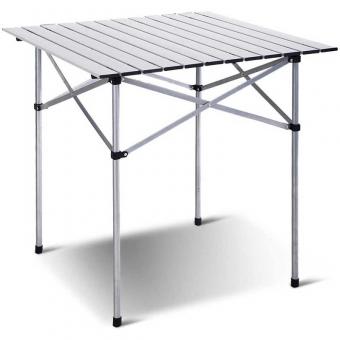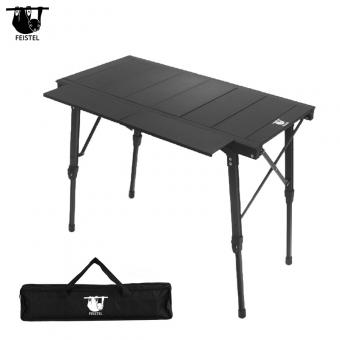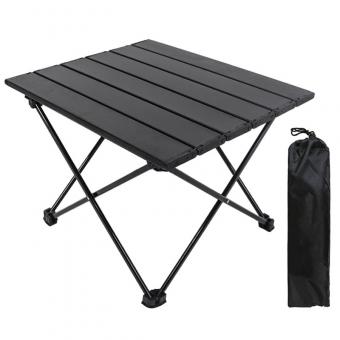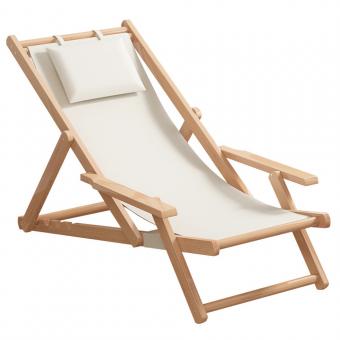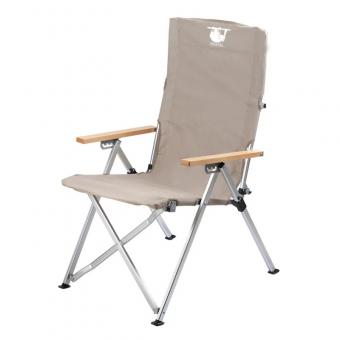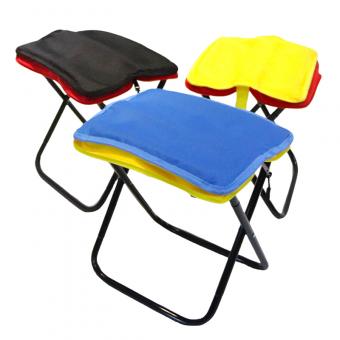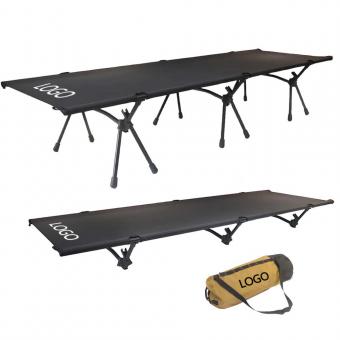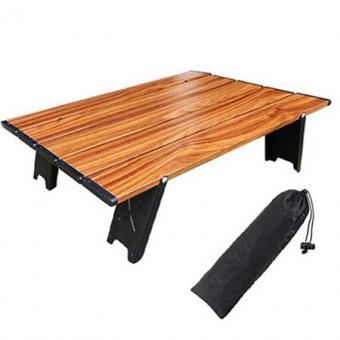
แบรนด์: โรงงาน ANHUI FEISTEL เกี่ยวข้องกับการผลิต: OEM และ ODM สินค้า:โต๊ะปิกนิกน้ำหนักเบา ขนาดเล็ก พับได้ เหมาะสำหรับกิจกรรมกลางแจ้ง ทำจากวัสดุที่ทนทาน พกพาสะดวก ติดตั้งง่าย
Neil ยินดีต้อนรับสู่เว็บไซต์ของเรา !
เรียนรู้เพิ่มเติมเมื่อคุณกำลังเลือกซื้อ ไม้เท้าเดินป่าคุณจะสังเกตเห็นวัสดุด้ามจับหลักสองประเภทได้อย่างรวดเร็ว: ไม้ก๊อก และ โฟม EVA ทั้งสองแบบดูคล้ายกันเมื่อมองแวบแรก แต่ให้ประสิทธิภาพแตกต่างกันมากเมื่ออยู่ในมือ โดยเฉพาะระหว่างการเดินบนเส้นทางเป็นเวลานานตลอดวันคู่มือนี้จะอธิบายวิทยาศาสตร์ ความรู้สึกเมื่อใช้งาน ความทนทาน และสภาพแวดล้อมที่ทำให้วัสดุแต่ละชนิดโดดเด่น เพื่อให้คุณเลือกด้ามจับที่ช่วยให้มือสบายและยึดไม้เท้าได้มั่นคงไปอีกหลายปี
ความแตกต่างที่สำคัญที่สุดระหว่างด้ามจับไม้ก๊อกและโฟมคือวิธีจัดการกับความชื้น และปัจจัยเดียวนี้มักเป็นตัวกำหนดว่าวัสดุชนิดใดเหมาะกับคุณ
ไม้ก๊อกธรรมชาติมีเซลล์ตายประมาณ 40 ล้านเซลล์ต่อลูกบาศก์เซนติเมตร โดยแต่ละเซลล์เต็มไปด้วยอากาศที่ถูกกักไว้ แต่คุณสมบัติพิเศษที่แท้จริงคือ ซูเบอริน ซึ่งเป็นสารประกอบคล้ายขี้ผึ้งที่ฝังอยู่ในผนังเซลล์ ทำให้ไม้ก๊อกมีคุณสมบัติไม่ชอบน้ำตามธรรมชาติแทนที่จะดูดซับเหงื่อเหมือนฟองน้ำ ไม้ก๊อกจะกระจายความชื้นบนพื้นผิวเพื่อให้ระเหยออกได้อย่างรวดเร็ว
นั่นหมายความว่ามือของคุณจะแห้งกว่า เพราะความชื้นเคลื่อนออกด้านนอกแทนที่จะสะสมอยู่ระหว่างผิวหนังกับด้ามจับ ไม้ก๊อกยัง เหนียวกระชับมากขึ้นเมื่อเปียก โดยแรงเสียดทานของพื้นผิวจะเพิ่มขึ้นเมื่อมีความชื้น นี่เป็นข้อได้เปรียบอย่างมากในการลงทางชัน ซึ่งการจับที่ลื่นอาจทำให้เสียหลักได้
โฟม EVA (เอทิลีน-ไวนิลอะซีเตต) ใช้วิธีตรงกันข้าม โดยมี โครงสร้างพอลิเมอร์แบบเซลล์ปิด ซึ่งก๊าซจะถูกผนึกอยู่ภายในแต่ละเซลล์ พื้นผิวมีคุณสมบัติต้านทานน้ำในทางเทคนิค แต่ในทางปฏิบัติหมายความว่าเหงื่อของคุณไม่มีทางไหลออกไป มันจะสะสมอยู่ระหว่างผิวหนังกับด้ามจับ ทำให้เกิดชั้นฟิล์มหล่อลื่นที่นักเดินป่าอธิบายว่า "ลื่นเหมือนมีเมือก" หรือ "ชื้นเหนอะหนะ" ระหว่างการออกแรงต่อเนื่องในสภาพอากาศที่มีความชื้นสูง
ผู้ใช้งานคนหนึ่งบนเส้นทาง Appalachian Trail กล่าวไว้อย่างตรงไปตรงมาว่า: "ด้ามโฟม EVA ที่รู้สึกนุ่มสบายมากในร้าน ตอนนี้กลับกลายเป็นปัญหาที่ลื่นไถลบนทางลงที่เต็มไปด้วยหินหลวม"
หนึ่งในคุณสมบัติที่ได้รับการยกย่องมากที่สุดของไม้ก๊อกคือความสามารถในการ บีบอัดและปรับรูปเล็กน้อยให้เข้ากับรูปทรงมือของคุณเมื่อเวลาผ่านไป.หลังจากเดินเป็นเวลานานหลายครั้ง ด้ามจับจะเริ่มเข้ากับส่วนโค้งเฉพาะของฝ่ามือคุณ ช่วยลดจุดกดทับและเพิ่มความสบายนี่เป็นรูปแบบของการปรับแต่งให้เข้ากับผู้ใช้แบบอัตโนมัติที่โฟมไม่สามารถเลียนแบบได้ โฟมมีลักษณะคงที่ และจะให้ความรู้สึกเหมือนเดิมเสมือนวันที่คุณซื้อมา
นักเดินป่าที่ใช้ด้ามไม้ก๊อกผ่านระยะทางอย่างหนักพูดถึง "คราบเหงื่อ"ซึ่งเป็นจุดที่ด้ามจับเข้มขึ้นและเรียบลื่นขึ้นตลอดระยะทางหลายร้อยไมล์ สร้างพื้นผิวเฉพาะตัวที่ช่วยเพิ่มการยึดเกาะเมื่อใช้งานมากขึ้นจริง ๆ
ด้ามจับโฟม EVA ให้ การรองรับแรงกระแทกแบบนุ่มนวลทันทีโดยไม่ต้องผ่านช่วงปรับสภาพการใช้งาน.หากคุณมีผิวบอบบางหรือมีแนวโน้มเกิดแผลพุพองทันที ความนุ่มของ EVA คือทางแก้ปัญหาได้ในทันทีด้ามจับโฟมใหม่มีสัมผัสนุ่มฟูที่ผู้ใช้หลายคนพบว่าสบายตั้งแต่แรกใช้งาน
อย่างไรก็ตาม ไม้ก๊อกเป็นตัวเลือกที่ดีกว่า เนื่องจากเป็นเรื่องยากที่ด้ามจับเหล่านี้จะทำให้เกิดแผลพุพองเมื่อใช้งานในระยะยาวด้ามจับโฟมไม่สามารถระบายความชื้นออกไปได้ ซึ่งอาจทำให้มือของคุณรู้สึกเหนอะหนะ
ไม้ก๊อกมีค่าการนำความร้อนต่ำ—ประมาณ 0.040 W/m·K—ซึ่งหมายความว่ายังคงมีอุณหภูมิเป็นกลาง ไม่ว่าคุณจะเดินป่าท่ามกลางแสงแดดในทะเลทรายหรือจับแกนโลหะเย็นในเช้าที่มีน้ำค้างแข็งมันไม่รู้สึกเย็นในฤดูหนาวหรือร้อนในฤดูร้อน
โฟมในทางตรงกันข้าม เป็นฉนวนได้ดีกว่าไม้ก๊อก ในเช้าฤดูหนาวที่หนาวจัด ด้ามจับโฟมจะ อุ่นขึ้นอย่างเห็นได้ชัดเมื่อสัมผัส—มือของคุณมีโอกาสน้อยลงที่จะรู้สึกถึงความหนาวผ่านด้ามจับในสภาพอากาศหนาว ด้ามจับโฟมจะอุ่นกว่าและนุ่มกว่าสำหรับผู้ที่เป็นโรคข้ออักเสบหรือมีฝ่ามือบอบบาง
อย่างไรก็ตาม สำหรับสภาพอากาศร้อนและชื้น ไม้ก๊อกเป็นผู้ชนะอย่างชัดเจน โฟมอาจรู้สึกร้อนและเหนียวเมื่ออยู่กลางแสงแดดโดยตรง ทำให้จับได้ไม่สบาย
โฟมมีน้ำหนักเบากว่าไม้ก๊อกอย่างมาก—ด้ามจับโฟมอาจมีน้ำหนัก น้อยกว่า 20-30 กรัมเมื่อเทียบกับด้ามจับไม้ก๊อกที่มีขนาดเท่ากันสำหรับนักแบกเป้แบบน้ำหนักเบาพิเศษและนักวิ่งเทรลที่นับทุกกรัม ความแตกต่างนี้มีความสำคัญ เมื่อรวมไม้เท้าสองอัน ความแตกต่างนั้นคือ การลดน้ำหนัก 40-60 กรัม.
ผู้ผลิตรายหนึ่งระบุว่า แม้จะเหมือนกันทุกอย่างยกเว้นด้ามจับ แต่ไม้เท้า EVA มีน้ำหนัก 7 ออนซ์ต่ออัน ขณะที่ไม้เท้าไม้ก๊อกมีน้ำหนัก 9.5 ออนซ์ต่ออัน
อย่างไรก็ตาม เพียงเพราะไม้เท้าเดินป่ามีด้ามจับไม้ก๊อก ไม่ได้หมายความว่าจะหนักกว่าโดยรวมเสมอไปความแตกต่างด้านน้ำหนักระหว่างทั้งสองแบบมักแทบไม่มีนัยสำคัญเมื่อพิจารณาไม้เท้าทั้งชุด
ด้ามจับไม้ก๊อกคุณภาพสูง เมื่อได้รับการดูแลอย่างเหมาะสม สามารถ ใช้งานได้นานหลายปี.แตกต่างจากโฟมที่อาจแยกตัวหรือยุบตัวจนกลายเป็นรูปทรงแข็งและแบน ไม้ก๊อกยังคงรักษาความสมบูรณ์และความยืดหยุ่นไว้ได้
ผู้ใช้บางรายรายงานประสบการณ์ที่แตกต่างกัน นักเดินป่าคนหนึ่งกล่าวว่าไม้ก๊อก "สบายกว่าแต่ทนทานน้อยกว่ามาก"ผู้ใช้รายหนึ่งชอบไม้ก๊อกมากกว่าโฟม แต่ยอมรับว่า "โฟมดูเหมือนจะแห้งเร็วกว่า ราคาถูกกว่า และทนทานกว่า"
อย่างไรก็ตาม Outdoor Gear Lab พบว่าด้ามจับไม้ก๊อกในเสาอันหนึ่งมี "ความทนทานมากกว่าด้ามจับโฟมทั้งหมด"
ความจริงคือ ความทนทานขึ้นอยู่กับคุณภาพเป็นอย่างมากโครงสร้างไม้ก๊อกแท้คุณภาพสูงมีประสิทธิภาพเหนือกว่าส่วนผสมคอมโพสิตพื้นฐาน โฟมคุณภาพสูงรักษาประสิทธิภาพได้อย่างสม่ำเสมอ ส่วนโฟมคุณภาพต่ำอาจเกิดรอยยุบถาวรเมื่อเวลาผ่านไป
ไม้ก๊อกเป็นวัสดุหมุนเวียนและย่อยสลายได้ เปลือกไม้ถูกเก็บเกี่ยวทุก 9-12 ปีโดยไม่ทำร้ายต้นไม้ ทำให้เป็นหนึ่งในวัสดุสำหรับกิจกรรมกลางแจ้งที่ยั่งยืนที่สุดที่มีอยู่ไม้ก๊อกยังเป็น สารต้านจุลชีพช่วยป้องกันกลิ่นเหม็นระหว่างการเดินป่าหลายวัน ในการเดินทางระยะยาว สิ่งนี้หมายถึงการมีอาณานิคมแบคทีเรียน้อยลง กลิ่นอับน้อยลง และไม่มีปัญหากลิ่นเหม็นจากด้ามจับที่มักเกิดกับด้ามจับสังเคราะห์หลังจากเจอฝนเป็นเวลาหนึ่งสัปดาห์
โฟมเป็นวัสดุสังเคราะห์ที่ได้มาจากปิโตรเลียม แม้ว่าจะผลิตได้ถูกกว่า แต่ก็ไม่ได้มีคุณสมบัติด้านสิ่งแวดล้อมเช่นเดียวกับไม้ก๊อกธรรมชาติ
เสาเดินป่าระดับพรีเมียมจำนวนมากในปัจจุบันมี การออกแบบด้ามจับแบบผสมผสานที่รวมวัสดุทั้งสองชนิดเข้าด้วยกัน ตัวอย่างเช่น Black Diamond Alpine Carbon Cork มี ส่วนบนของด้ามจับแบบตามหลักสรีรศาสตร์สัมผัสนุ่ม พร้อมด้ามจับไม้ก๊อกธรรมชาติ 100% และส่วนต่อขยายด้ามจับโฟม EVA.
รูปแบบนี้ให้ความสบายจากการระบายความชื้นของไม้ก๊อกในบริเวณที่มือจับตามธรรมชาติ พร้อมด้วยการรองรับน้ำหนักเบาของโฟมสำหรับ การจับเสาให้ต่ำลงบนพื้นที่ลาดชัน—ช่วยให้คุณจับส่วนล่างของเสาได้ระหว่างทางคดเคี้ยวขึ้นลงโดยไม่ต้องหยุดเพื่อปรับความยาว
คุณสมบัติ
ไม้ก๊อก
โฟม EVA
การจัดการความชื้น
★★★★★ (ดูดซับเหงื่อ กลายเป็นเหนียวเมื่อเปียก)
★★ (เหงื่อสะสมบนพื้นผิว ทำให้ลื่น)
ความพอดีเฉพาะบุคคล
★★★★★ (ปรับรูปเข้ากับมือเมื่อเวลาผ่านไป)
★ (คงรูปเดิม ไม่มีการปรับให้เข้ากับมือ)
ความสบายในช่วงแรก
★★★ (ต้องใช้งานจนเข้าที่)
★★★★★ (นุ่มสบายพร้อมใช้ทันที)
สภาพอากาศหนาวเย็น
★★★★ (อุณหภูมิคงที่)
★★★★★ (เป็นฉนวนให้ความอบอุ่นมากกว่า)
สภาพอากาศร้อน
★★★★★ (เย็นสบาย ไม่ลื่น)
★★ (อาจรู้สึกร้อนและเหนียวเหนอะหนะ)
น้ำหนัก
★★★
★★★★★ (เบากว่า 20-30 กรัมต่อด้ามจับ)
ความทนทาน
★★★★ (ขึ้นอยู่กับคุณภาพ)
★★★ (อาจยุบตัวเมื่อเวลาผ่านไป)
ราคา
★★ (มีราคาแพงกว่า)
★★★★★ (ผลิตได้ถูกกว่า)
ผลกระทบต่อสิ่งแวดล้อม
★★★★★ (หมุนเวียนได้ ย่อยสลายได้ทางชีวภาพ)
★★ (วัสดุสังเคราะห์จากปิโตรเลียม)
เลือกไม้ก๊อกหาก:
คุณเดินป่าในสภาพอากาศร้อนชื้นที่การจัดการเหงื่อเป็นสิ่งสำคัญ
คุณต้องการด้ามจับที่ดีขึ้นเมื่อใช้งานและปรับรูปเข้ากับมือของคุณ
คุณเป็นนักเดินป่าระยะไกลที่ใช้เวลาอยู่บนเส้นทางเป็นเวลานาน
เลือกโฟมหาก:
คุณให้ความสำคัญกับประสิทธิภาพที่มีน้ำหนักเบาสำหรับการแบกเป้แบบน้ำหนักเบาพิเศษ
คุณเดินป่าเป็นหลักในสภาพอากาศหนาวและแห้งที่ฉนวนกันความร้อนมีความสำคัญ
นักเดินป่าคนหนึ่งสรุปไว้ว่า: "ฉันชอบไม้ก๊อกมากกว่าโฟม แต่โฟมดูเหมือนจะแห้งเร็วกว่า ราคาถูกกว่า และทนทานกว่า ทั้งสองแบบก็ดีและขึ้นอยู่กับความชอบส่วนบุคคลมากกว่า"
ด้ามจับที่ "เหมาะสม" ท้ายที่สุดขึ้นอยู่กับว่าคุณเดินป่าที่ไหน เดินป่าเมื่อไร และอะไรคือสิ่งที่สำคัญที่สุดสำหรับคุณ หากทำได้ ควรทดลองใช้ทั้งสองแบบก่อนซื้อ—มือของคุณจะขอบคุณ
หมวดหมู่
บล็อกใหม่
แบรนด์: โรงงาน ANHUI FEISTEL เกี่ยวข้องกับการผลิต: OEM และ ODM สินค้า:โต๊ะปิกนิกน้ำหนักเบา ขนาดเล็ก พับได้ เหมาะสำหรับกิจกรรมกลางแจ้ง ทำจากวัสดุที่ทนทาน พกพาสะดวก ติดตั้งง่าย
ยี่ห้อ - โรงงาน ANHUI FEISTEL การผลิตที่เกี่ยวข้อง - โออีเอ็ม และ โอดีเอ็ม ผลิตภัณฑ์ - เก้าอี้พับพระจันทร์แบบโลหะน้ำหนักเบาที่ออกแบบพิเศษให้การรองรับที่ทนทานและความสบาย เหมาะสำหรับการตั้งแคมป์กลางแจ้ง ด้วยการออกแบบที่กะทัดรัด พกพาสะดวก เพื่อการขนส่งและจัดเก็บที่ง่ายดาย
แบรนด์: โรงงาน ANHUI FEISTEL เกี่ยวข้องกับการผลิต: OEM และ ODM สินค้า:โต๊ะปิคนิคพับได้แบบพกพากลางแจ้ง: ดีไซน์อะลูมิเนียมน้ำหนักเบาและทนทาน ปรับความสูงได้ ติดตั้งง่าย พร้อมกระเป๋าพกพาขนาดกะทัดรัดสำหรับการตั้งแคมป์ ปิกนิก และกิจกรรมกลางแจ้ง
แบรนด์ : โรงงาน ANHUI FEISTEL เกี่ยวข้องกับการผลิต: OEM และ ODM สินค้า:โต๊ะตั้งแคมป์ IGT BBQ อเนกประสงค์แบบพกพาพร้อมขาปรับระดับความสูงได้ เหมาะสำหรับทำอาหารกลางแจ้ง ตั้งแคมป์ และปิกนิก น้ำหนักเบาและพับเก็บได้เพื่อการขนย้ายที่ง่ายดาย
แบรนด์ : โรงงาน ANHUI FEISTEL เกี่ยวข้องกับการผลิต: OEM และ ODM สินค้า:โต๊ะพับอลูมิเนียมขนาดกะทัดรัด น้ำหนักเบา เหมาะสำหรับการตั้งแคมป์ ชายหาด หรือกิจกรรมกลางแจ้ง พกพาสะดวก แข็งแรงทนทาน เหมาะสำหรับใส่อาหารและเครื่องดื่ม
ยี่ห้อ - โรงงาน ANHUI FEISTEL การผลิตที่เกี่ยวข้อง - โออีเอ็ม และ โอดีเอ็ม ผลิตภัณฑ์ - เก้าอี้เลานจ์ไม้พับได้สำหรับตั้งแคมป์ตัวนี้มีโครงที่แข็งแรง การออกแบบเอนตามหลักสรีรศาสตร์ และโครงสร้างพับกะทัดรัด เหมาะสำหรับการพักผ่อนที่ชายหาด พื้นที่ตั้งแคมป์ หรือสนามหลังบ้าน
ยี่ห้อ - โรงงาน ANHUI FEISTEL การผลิตที่เกี่ยวข้อง - โออีเอ็ม และ โอดีเอ็ม ผลิตภัณฑ์ - เก้าอี้พับสำหรับตั้งแคมป์กลางแจ้งโครงอลูมิเนียมนี้มีพนักพิงที่ปรับได้ มีน้ำหนักเบาแต่แข็งแรง ให้ความสบายในการพกพาไปตั้งแคมป์ ทริปชายหาด ปิกนิก และพักผ่อนกลางแจ้ง
ยี่ห้อ : โรงงานอันฮุย ไฟสเตล เกี่ยวข้องกับการผลิต : OEM และ ODM ผลิตภัณฑ์ : เก้าอี้พับขนาดเล็กสำหรับเดินป่าและแบ็คแพ็คเกอร์นี้ ผสมผสานดีไซน์พับได้ที่ทำจากผ้าอ็อกซ์ฟอร์ดที่ทนทาน เข้ากับช่องใส่ดินสอที่ออกแบบมาอย่างสร้างสรรค์ มอบความสะดวกในการพกพา ความสบาย และประโยชน์ใช้สอยสำหรับการตั้งแคมป์และการผจญภัยกลางแจ้ง
ยี่ห้อ - โรงงาน ANHUI FEISTEL การผลิตที่เกี่ยวข้อง - โออีเอ็ม และ โอดีเอ็ม ผลิตภัณฑ์ - เตียงนอนเดินทางพร้อมอุปกรณ์เดินป่าราคาส่งเป็นเตียงพับสำหรับตั้งแคมป์ที่ปรับระดับความสูงได้ ให้การรองรับที่แข็งแรง พกพาสะดวก และพักผ่อนได้อย่างสบายสำหรับการผจญภัยกลางแจ้ง
แบรนด์ : โรงงานมณฑลอานฮุย FEISTEL เกี่ยวข้องกับการผลิต: OEM และ ODM สินค้า:เตียงตั้งแคมป์พับแบบพกพาขนาดกะทัดรัดน้ำหนักเบากลางแจ้งเหมาะสำหรับการแบกเป้ มีโครงที่ทนทาน ติดตั้งง่าย และกระเป๋าพกพาที่สะดวกสำหรับการเดินทาง
มาเชื่อมต่อกันเถอะ :