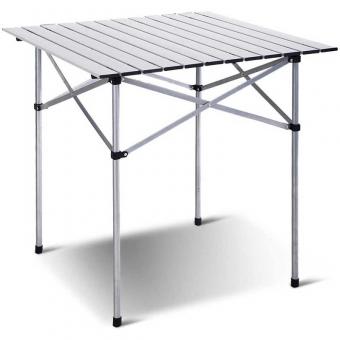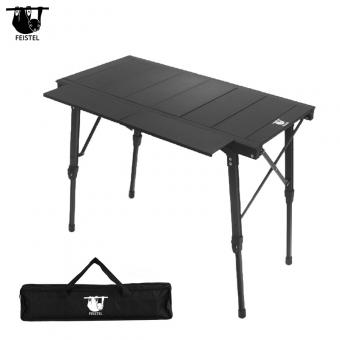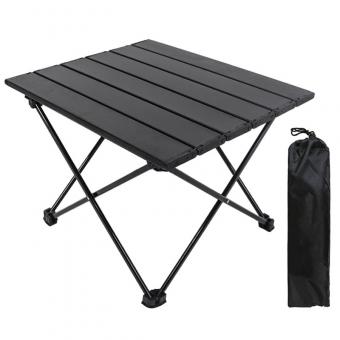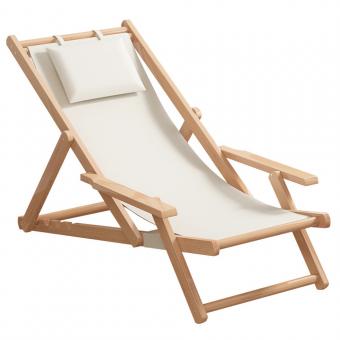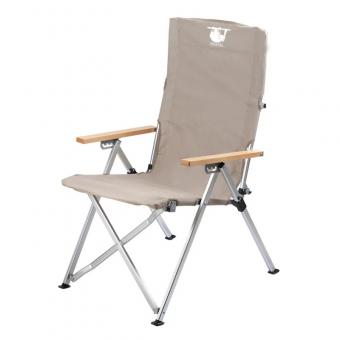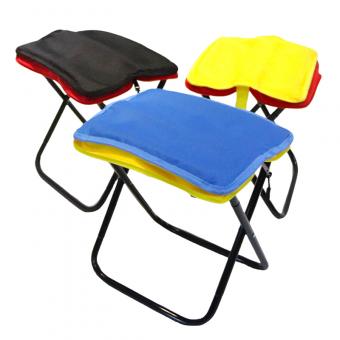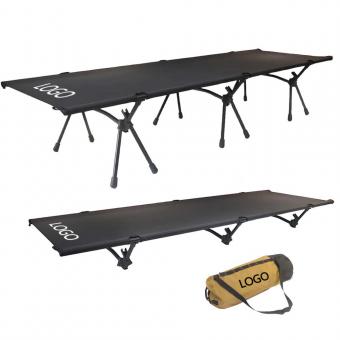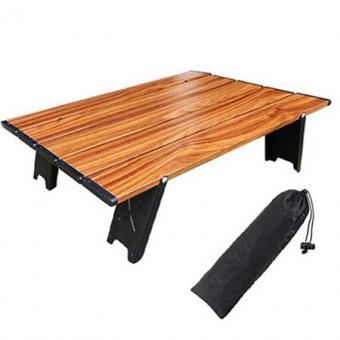
แบรนด์: โรงงาน ANHUI FEISTEL เกี่ยวข้องกับการผลิต: OEM และ ODM สินค้า:โต๊ะปิกนิกน้ำหนักเบา ขนาดเล็ก พับได้ เหมาะสำหรับกิจกรรมกลางแจ้ง ทำจากวัสดุที่ทนทาน พกพาสะดวก ติดตั้งง่าย
Neil ยินดีต้อนรับสู่เว็บไซต์ของเรา !
เรียนรู้เพิ่มเติมเมื่อเลือกซื้อผ้าปูชายหาด คุณจะพบชื่อผ้าสองประเภทมากกว่าชนิดอื่น ๆ ได้แก่: ไนลอนริปสต็อป และ โพลีเอสเตอร์ออกซ์ฟอร์ด ทั้งสองแบบถูกทำการตลาดว่าเป็นวัสดุที่ทนทาน กันทราย และแห้งเร็ว—แต่แท้จริงแล้วเป็นวัสดุที่แตกต่างกันโดยพื้นฐาน มีจุดแข็งและจุดอ่อนที่แตกต่างกัน
การเข้าใจความแตกต่างไม่ได้เป็นเพียงเรื่องความรู้เกี่ยวกับเนื้อผ้าเท่านั้น แต่เกี่ยวข้องกับการเลือกผ้าปูที่สามารถทนต่อการใช้งานอันหนักหน่วงเฉพาะของชายหาดได้: ทรายที่เสียดสี รังสี UV ที่รุนแรง การสัมผัสน้ำเค็ม และการพับเก็บและบรรจุซ้ำ ๆ การเลือกผิดอาจทำให้คุณได้ผ้าปูที่มีขอบรุ่ย สีซีดจาง หรือฉีกขาดหลังใช้งานเพียงหนึ่งฤดูกาล
นี่คือการวิเคราะห์อย่างตรงไปตรงมาว่าผ้าชนิดใดทนทานบนพื้นทรายได้อย่างแท้จริง
ก่อนเปรียบเทียบ ควรแยกแนวคิดสองอย่างที่มักสับสนกันออกจากกัน: โครงสร้างการทอ และ เส้นใย.
ริปสต็อปอธิบายถึง โครงสร้างการทอ ไม่ใช่วัสดุ ในผ้าริปสต็อป เส้นด้ายเสริมความแข็งแรงที่หนากว่าจะถูกทอลงในเนื้อผ้าพื้นฐานตามช่วงระยะที่สม่ำเสมอ ทำให้เกิดลวดลายตารางที่มองเห็นได้ ตารางนี้ช่วยป้องกันไม่ให้รอยฉีกขาดเล็ก ๆ ลุกลามไปทั่วผืนผ้า เส้นใยพื้นฐานอาจเป็น ไนลอน หรือ โพลีเอสเตอร์—หรือแม้แต่ฝ้ายหรือไหม ป้ายกำกับว่า "ริปสต็อป" บอกข้อมูลเกี่ยวกับโครงสร้างการทอ ไม่ใช่เส้นใย.
ออกซ์ฟอร์ด ในทางตรงกันข้าม อธิบายถึง โครงสร้างการทอแบบตะกร้า ซึ่งเส้นด้ายถูกทอให้เกิดลวดลายที่มีพื้นผิวมากขึ้นและทนทานกว่า ออกซ์ฟอร์ดก็ไม่ใช่วัสดุเช่นกัน—สามารถผลิตจากเส้นด้ายไนลอนหรือโพลีเอสเตอร์ได้ ใน ผ้าปูชายหาด "โพลีเอสเตอร์ออกซ์ฟอร์ด" เป็นรูปแบบที่พบได้บ่อยที่สุด โดยทั่วไปมีน้ำหนักอยู่ที่ 600D..
ดังนั้นเมื่อเปรียบเทียบ ไนลอนริปสต็อป และ โพลีเอสเตอร์อ็อกซ์ฟอร์ดคุณกำลังเปรียบเทียบวัสดุผสมสองแบบที่แตกต่างกันจริง ๆ: การทอแบบเสริมความแข็งแรงด้วยเส้นใยไนลอน เทียบกับโครงสร้างการทอแบบตะกร้าด้วยเส้นใยโพลีเอสเตอร์
คุณสมบัติ
ไนลอน
โพลีเอสเตอร์
ความแข็งแรงต่อแรงดึง
สูงกว่า
ต่ำกว่า
ความทนทานต่อการเสียดสี
เหนือกว่า
เพียงพอ
ความแข็งแรงต่อการฉีกขาดเมื่อเทียบตามน้ำหนัก
ดีที่สุดในระดับชั้น
ดี
ความทนทานต่อรังสี UV
ปานกลาง (มีแนวโน้มเสื่อมสภาพ)
ยอดเยี่ยม
การดูดซึมน้ำ
ดูดซึมน้ำมากกว่า แห้งช้ากว่า
ดูดซึมน้ำน้อย แห้งเร็วกว่า
ความยืดหยุ่น/การยืดตัว
ยืดได้มากกว่า
แข็งกว่า คงรูปได้ดี
ราคา
ราคาแพงกว่า
ราคาย่อมเยากว่า
จุดเด่นของไนลอน
ไนลอนให้ความแข็งแรงต่อแรงดึงที่สูงกว่าและความทนทานต่อการเสียดสีที่เหนือกว่าเมื่อเทียบกับโพลีเอสเตอร์มีอัตราส่วนความแข็งแรงต่อน้ำหนักที่สูงมาก—ที่ระดับความทนทานต่อการสึกหรอเท่ากัน ไนลอนมีน้ำหนักเพียงประมาณ 70% ของผ้าอ็อกซ์ฟอร์ดเมื่อเทียบตามน้ำหนักเท่ากัน ไนลอนมีความแข็งแกร่งกว่า.
นี่คือเหตุผลที่ไนลอนริปสต็อปครองตลาดอุปกรณ์กลางแจ้งที่น้ำหนักเป็นปัจจัยสำคัญ เช่น เต็นท์น้ำหนักเบาพิเศษ กระเป๋าเป้ และร่มชูชีพAไนลอนริปสต็อป 210Dผ้าห่มมีน้ำหนักน้อยกว่าอย่างมากเมื่อเทียบกับโพลีเอสเตอร์อ็อกซ์ฟอร์ด 600Dผ้าห่มที่มีขนาดเท่ากันสำหรับนักเดินป่าที่นับน้ำหนักทุกกรัม ไนลอนคือผู้ชนะอย่างชัดเจน
ไนลอนยังมีความยืดหยุ่นที่ดีกว่า—สามารถยืดและโค้งงอได้โดยไม่ขาดทำให้ทนต่อแรงดึงภายใต้การรับน้ำหนักได้ดีกว่า และมีโอกาสเกิดรอยร้าวจากความเค้นที่จุดพับน้อยกว่า
ข้อได้เปรียบที่ใหญ่ที่สุดของโพลีเอสเตอร์คือความทนทานต่อรังสียูวีภายใต้การสัมผัสแสงแดดเป็นเวลานาน ไนลอนจะเสื่อมสภาพเร็วกว่า—มัน "มีแนวโน้มเสื่อมอายุหลังจากสัมผัสแสงแดดเป็นเวลานาน"ในทางตรงกันข้าม โพลีเอสเตอร์ "มีความสามารถในการทนต่อสภาพอากาศได้ดีเยี่ยม" และ "เสื่อมสภาพน้อยกว่าผ้าไนลอน" ภายใต้การใช้งานกลางแจ้ง.
โพลีเอสเตอร์ยังดูดซับน้ำน้อยกว่าไนลอนและแห้งเร็วกว่ามันไม่ขยายตัวเมื่อเปียก ในขณะที่ไนลอนอาจหย่อนตัวได้ความคงรูปของขนาดนี้หมายความว่าผ้าห่มโพลีเอสเตอร์ยังคงรูปทรงเดิมแม้หลังจากเปียกชุ่ม
และโพลีเอสเตอร์มีราคาถูกกว่าสำหรับผู้ซื้อจำนวนมาก ความแตกต่างด้านต้นทุนนี้จะเพิ่มขึ้นอย่างรวดเร็ว
การทอแบบริปสต็อปได้รับการออกแบบมาเพื่อจุดประสงค์เดียว:ป้องกันไม่ให้รอยฉีกขาดลุกลามเส้นด้ายเสริมที่หนากว่าถูกทอแทรกลงในผ้าพื้นฐานเป็นช่วง ๆ สร้างเป็นตารางที่ทำหน้าที่เหมือนป้ายหยุดสำหรับรอยฉีกขาด.
ผ้าไนลอนริปสต็อป 420Dให้ค่าความแข็งแรงต่อการฉีกขาดประมาณ25–40Nเมื่อเทียบกับเพียง15–25Nสำหรับผ้า 210D ที่ไม่ได้ทอแบบริปสต็อปนั่นคือการเพิ่มขึ้นอย่างมีนัยสำคัญของความต้านทานการฉีกขาดจากวัสดุพื้นฐานชนิดเดียวกัน
สำหรับการใช้งานที่ชายหาด สิ่งนี้มีความสำคัญ เปลือกหอยคม ก้อนหินที่หลงเหลือ หรือสมอบกเต็นท์ที่พลาดมาอาจทำให้ผ้าห่มของคุณเป็นรอยได้ ด้วยริปสต็อป รอยนั้นจะถูกจำกัดอยู่แค่จุดเดิม หากไม่มีมัน รอยนั้นจะกลายเป็นแนวฉีกที่ลามและแยกผ้าห่มทั้งผืน
การทอแบบอ็อกซ์ฟอร์ด โดยเฉพาะใน 600D เป็น โครงสร้างการทอแบบตะกร้า ที่ทำให้ได้ผ้าที่หนาขึ้นและมีพื้นผิวมากขึ้น มัน "เหมือนผ้าตาฟเฟตาที่ถูกเสริมความแข็งแกร่ง" และ "เป็นผ้าที่ทนทานกว่ามาก".
ในขณะที่ผ้าแบบริปสต็อปมีจุดเด่นด้าน ความทนต่อการฉีกขาด ผ้าอ็อกซ์ฟอร์ดมีจุดเด่นด้าน ความทนต่อการเสียดสี และ ความทนทานของพื้นผิว เส้นด้ายที่หนาขึ้นและการทอที่แน่นขึ้นสร้างผ้าที่ทนต่อการขูดกับทราย หิน และพื้นผิวหยาบต่าง ๆ.
ผ้าโพลีเอสเตอร์อ็อกซ์ฟอร์ด 600D ที่เคลือบด้วย PVC หรือ PU กันน้ำมี "ความแข็งแรงเพื่อป้องกันการฉีกขาด" บางรุ่นผ่านการทดสอบให้ทนต่อ การเสียดสีมากกว่าผ้า 420D มาตรฐาน 20%.
นี่คือปัจจัยแยกความแตกต่างที่ใหญ่ที่สุดเพียงอย่างเดียวสำหรับการใช้งานที่ชายหาด
ผ้าห่มชายหาดต้องอยู่ใต้แสงแดดโดยตรงเป็นเวลาหลายชั่วโมงไนลอนเสื่อมสภาพเมื่อสัมผัสรังสียูวี เมื่อเวลาผ่านไป เส้นใยจะอ่อนแอลง ผ้าจะเปราะ และสีจะซีดจาง นี่ไม่ใช่ปัญหาเล็กน้อย แต่เป็นข้อจำกัดพื้นฐานของวัสดุ
ในทางตรงกันข้าม โพลีเอสเตอร์มีคุณสมบัติต้านทานรังสียูวีโดยธรรมชาติ มันไม่เปลี่ยนสีเมื่อโดนแสงแดดและคงความแข็งแรงของโครงสร้างได้นานกว่ามาก สำหรับผ้าห่มที่ใช้งานอยู่ที่ชายหาด นี่เป็นข้อได้เปรียบที่สำคัญ
หากคุณวางแผนใช้ผ้าห่มของคุณเป็นหลักใน สภาพแวดล้อมที่มีแดดจัดและพื้นที่เปิดโล่ง โพลีเอสเตอร์อ็อกซ์ฟอร์ดเป็นตัวเลือกที่ทนทานกว่าในระยะยาว
ทรายมีคุณสมบัติกัดกร่อน ทุกครั้งที่คุณสะบัดผ้าห่มออก อนุภาคทรายจะเสียดสีกับเส้นใย เมื่อผ่านไปหนึ่งฤดูกาล การเสียดสีระดับจุลภาคนี้จะส่งผลเสียต่อเนื้อผ้า
ไนลอนชนะในด้านความทนต่อการเสียดสี เส้นใยของมันแข็งแรงกว่าและทนต่อการสึกหรอของพื้นผิวได้มากกว่าไนลอนริปสต็อป ที่เคลือบด้วย PU มี "ความทนต่อการเสียดสีและใช้งานได้ยาวนาน".
โพลีเอสเตอร์อ็อกซ์ฟอร์ดโดยเฉพาะในแบบ 600D ก็ยังทนต่อการเสียดสีได้ดีเส้นด้ายที่หนากว่าและการทอที่แน่นกว่าช่วยให้พื้นผิวมีความทนทาน แต่เมื่อเทียบตามน้ำหนัก ไนลอนเป็นวัสดุที่ต้านทานการเสียดสีได้เหนือกว่า
ทั้งไนลอนและโพลีเอสเตอร์เป็นวัสดุสังเคราะห์และต้านทานความเสียหายจากน้ำได้ดีกว่าเส้นใยธรรมชาติ แต่มีความแตกต่างกัน
ไนลอนดูดซับน้ำได้มากกว่าโพลีเอสเตอร์เมื่อเปียก มันอาจหย่อนตัวและใช้เวลาแห้งนานกว่าในสภาพแวดล้อมชายหาดที่ผ้าห่มอาจโดนน้ำกระเซ็น โดนฝน หรือวางบนทรายเปียก นี่ถือเป็นข้อเสียในทางปฏิบัติ
โพลีเอสเตอร์ดูดซับน้ำได้น้อยมากและแห้งได้อย่างรวดเร็วมันจะไม่ยืดเมื่อเปียก ดังนั้นผ้าห่มจึงยังคงตึงอยู่ ทำให้ผ้า Oxford โพลีเอสเตอร์รับมือกับสภาพอากาศชายฝั่งที่คาดเดาไม่ได้ได้ดีกว่า
น้ำเค็มมีฤทธิ์กัดกร่อนวัสดุหลายชนิด แต่ทั้งไนลอนและโพลีเอสเตอร์เป็นพอลิเมอร์สังเคราะห์ที่ต้านทานความเสียหายจากเกลือได้ ทั้งสองชนิดจะไม่เป็นสนิมหรือกัดกร่อนเหมือนส่วนประกอบโลหะ สิ่งที่น่ากังวลกว่าคือสารเคลือบที่ใช้กับผ้า—สารเคลือบ PVC หรือ PU อาจเสื่อมสภาพเมื่อเวลาผ่านไปจากการสัมผัสเกลือ โดยไม่ขึ้นกับเส้นใยพื้นฐาน
ผ้าห่มไนลอน Ripstopได้รับคำชมในเรื่องน้ำหนักเบาและจัดเก็บพกพาได้ง่ายและความทนทานต่อการฉีกขาดผู้ใช้บรรยายว่า "บางแต่ทนทานอย่างน่าประหลาดใจ"ประสิทธิภาพในการสลัดทรายออกนั้นยอดเยี่ยม—ทราย "หลุดออกได้ทันทีเพียงเขย่าเบา ๆ".
ผ้าห่มโพลีเอสเตอร์ Oxfordได้รับการอธิบายว่า"ทนทาน"และ"แข็งแรง"มีความรู้สึกว่าหนากว่าและมีเนื้อผ้ามากกว่า ผู้ใช้ชื่นชอบความต้านทานรังสียูวี—สีสันยังคงสดใสแม้ผ่านการไปชายหาดหลายครั้ง บางรุ่นมีด้านล่างเคลือบ PVCเพื่อป้องกันน้ำได้อย่างสมบูรณ์.
ข้อแลกเปลี่ยนคือเรื่องน้ำหนัก ผ้าห่มโพลีเอสเตอร์ Oxford 600Dมีน้ำหนักมากกว่าและเทอะทะกว่าไนลอนริปสต็อป 210Dผ้าห่ม สำหรับการตั้งแคมป์ด้วยรถยนต์และวันที่ไปชายหาดกับครอบครัว ความแตกต่างด้านน้ำหนักแทบไม่มีนัยสำคัญ สำหรับการแบกเป้หรือการเดินทาง ความแตกต่างนี้มีความสำคัญ
คำตอบขึ้นอยู่กับวิธีที่คุณนิยามคำว่า "ทนทาน"
หากความทนทานหมายถึงความสามารถในการต้านทานการฉีกขาดและการเสียดสี ไนลอนริปสต็อปเป็นผู้ชนะ อัตราส่วนความแข็งแรงต่อน้ำหนักของมันไม่มีใครเทียบได้ และโครงสร้างตารางริปสต็อปช่วยป้องกันรอยขีดข่วนเล็ก ๆ ไม่ให้กลายเป็นรอยฉีกขาดขนาดใหญ่.
หากความทนทานหมายถึงความสามารถในการต้านทานการเสื่อมสภาพจากรังสี UV และการสัมผัสแสงแดดเป็นเวลานาน โพลีเอสเตอร์อ็อกซ์ฟอร์ดเป็นผู้ชนะมันจะใช้งานได้นานกว่าไนลอนในสภาพแวดล้อมที่มีแสงแดดจัด และคงรูปลักษณ์กับความแข็งแรงของโครงสร้างไว้ได้นานกว่ามาก
หากความทนทานหมายถึงความสามารถในการต้านทานน้ำและการแห้งอย่างรวดเร็ว โพลีเอสเตอร์อ็อกซ์ฟอร์ดก็ยังมีข้อได้เปรียบ.
หากความทนทานหมายถึงความสามารถในการทนต่อการพับและการบรรจุซ้ำ ๆ ข้อได้เปรียบตกเป็นของไนลอนในด้านความยืดหยุ่น หรือของโพลีเอสเตอร์ในด้านความคงรูป ขึ้นอยู่กับรูปแบบการบรรจุของคุณ.
เลือกไนลอนริปสต็อปหาก:
น้ำหนักและความสามารถในการจัดเก็บเป็นสิ่งสำคัญสูงสุด (การแบกเป้ การเดินทาง)
คุณต้องการความต้านทานการฉีกขาดสูงสุดต่อน้ำหนักหนึ่งออนซ์
คุณยอมรับการเสื่อมสภาพจากรังสี UV บางส่วนเมื่อเวลาผ่านไปได้
คุณวางแผนจะเปลี่ยนผ้าห่มทุก ๆ สองสามฤดูกาล
เลือกโพลีเอสเตอร์อ็อกซ์ฟอร์ดหาก:
ผ้าห่มจะต้องสัมผัสแสงแดดจัดเป็นเวลานาน (ชายหาด ทะเลทราย พื้นที่ภูเขาสูง)
คุณต้องการสัมผัสที่หนากว่าและให้ความรู้สึกแข็งแรงกว่า
การคงทนของสีในระยะยาวเป็นสิ่งสำคัญ
คุณต้องการให้แห้งเร็วขึ้นหลังจากเปียกน้ำ
สำหรับผู้ซื้อแบบ B2B ที่จัดหาผ้าห่มชายหาดสำหรับรีสอร์ต ธุรกิจให้เช่า หรือร้านค้าปลีก โพลีเอสเตอร์อ็อกซ์ฟอร์ดมักให้ ผลตอบแทนจากการลงทุน ที่ดีกว่า เนื่องจากมีความต้านทานรังสี UV ต้นทุนต่ำกว่า และการผลิตจำนวนมากที่สม่ำเสมอ สำหรับแบรนด์ระดับพรีเมียมที่มีน้ำหนักเบาพิเศษและมุ่งเป้าไปยังนักผจญภัยจริงจัง ไนลอนริปสต็อปมอบจุดขายด้านประสิทธิภาพที่น่าสนใจ
ดังที่การวิเคราะห์อุตสาหกรรมหนึ่งกล่าวไว้: "หากคุณให้ความสำคัญกับความเบาและความแข็งแรงสูง ไนลอนฉีกขาดยากเป็นตัวเลือกที่เหมาะสม หากคุณให้ความสำคัญกับการทนแดดและความคุ้มค่า โพลีเอสเตอร์ฉีกขาดยากเป็นตัวเลือกในอุดมคติ".
ผ้าที่ "ทนทานกว่า" คือผ้าที่เหมาะกับสภาพแวดล้อมชายหาดเฉพาะของคุณ สำหรับชายฝั่งที่โดนแสงแดดจัด โพลีเอสเตอร์ Oxford เป็นตัวเลือกที่เหนือกว่า สำหรับประสิทธิภาพที่ทนทานและพกพาง่าย ไนลอนริปสต็อปครองตำแหน่งสูงสุด ทั้งสองแบบจะใช้งานได้ดีสำหรับคุณ—แต่มีเพียงแบบเดียวเท่านั้นที่จะให้บริการคุณ ได้นานกว่า ภายใต้แสงแดด
หมวดหมู่
บล็อกใหม่
แบรนด์: โรงงาน ANHUI FEISTEL เกี่ยวข้องกับการผลิต: OEM และ ODM สินค้า:โต๊ะปิกนิกน้ำหนักเบา ขนาดเล็ก พับได้ เหมาะสำหรับกิจกรรมกลางแจ้ง ทำจากวัสดุที่ทนทาน พกพาสะดวก ติดตั้งง่าย
ยี่ห้อ - โรงงาน ANHUI FEISTEL การผลิตที่เกี่ยวข้อง - โออีเอ็ม และ โอดีเอ็ม ผลิตภัณฑ์ - เก้าอี้พับพระจันทร์แบบโลหะน้ำหนักเบาที่ออกแบบพิเศษให้การรองรับที่ทนทานและความสบาย เหมาะสำหรับการตั้งแคมป์กลางแจ้ง ด้วยการออกแบบที่กะทัดรัด พกพาสะดวก เพื่อการขนส่งและจัดเก็บที่ง่ายดาย
แบรนด์: โรงงาน ANHUI FEISTEL เกี่ยวข้องกับการผลิต: OEM และ ODM สินค้า:โต๊ะปิคนิคพับได้แบบพกพากลางแจ้ง: ดีไซน์อะลูมิเนียมน้ำหนักเบาและทนทาน ปรับความสูงได้ ติดตั้งง่าย พร้อมกระเป๋าพกพาขนาดกะทัดรัดสำหรับการตั้งแคมป์ ปิกนิก และกิจกรรมกลางแจ้ง
แบรนด์ : โรงงาน ANHUI FEISTEL เกี่ยวข้องกับการผลิต: OEM และ ODM สินค้า:โต๊ะตั้งแคมป์ IGT BBQ อเนกประสงค์แบบพกพาพร้อมขาปรับระดับความสูงได้ เหมาะสำหรับทำอาหารกลางแจ้ง ตั้งแคมป์ และปิกนิก น้ำหนักเบาและพับเก็บได้เพื่อการขนย้ายที่ง่ายดาย
แบรนด์ : โรงงาน ANHUI FEISTEL เกี่ยวข้องกับการผลิต: OEM และ ODM สินค้า:โต๊ะพับอลูมิเนียมขนาดกะทัดรัด น้ำหนักเบา เหมาะสำหรับการตั้งแคมป์ ชายหาด หรือกิจกรรมกลางแจ้ง พกพาสะดวก แข็งแรงทนทาน เหมาะสำหรับใส่อาหารและเครื่องดื่ม
ยี่ห้อ - โรงงาน ANHUI FEISTEL การผลิตที่เกี่ยวข้อง - โออีเอ็ม และ โอดีเอ็ม ผลิตภัณฑ์ - เก้าอี้เลานจ์ไม้พับได้สำหรับตั้งแคมป์ตัวนี้มีโครงที่แข็งแรง การออกแบบเอนตามหลักสรีรศาสตร์ และโครงสร้างพับกะทัดรัด เหมาะสำหรับการพักผ่อนที่ชายหาด พื้นที่ตั้งแคมป์ หรือสนามหลังบ้าน
ยี่ห้อ - โรงงาน ANHUI FEISTEL การผลิตที่เกี่ยวข้อง - โออีเอ็ม และ โอดีเอ็ม ผลิตภัณฑ์ - เก้าอี้พับสำหรับตั้งแคมป์กลางแจ้งโครงอลูมิเนียมนี้มีพนักพิงที่ปรับได้ มีน้ำหนักเบาแต่แข็งแรง ให้ความสบายในการพกพาไปตั้งแคมป์ ทริปชายหาด ปิกนิก และพักผ่อนกลางแจ้ง
ยี่ห้อ : โรงงานอันฮุย ไฟสเตล เกี่ยวข้องกับการผลิต : OEM และ ODM ผลิตภัณฑ์ : เก้าอี้พับขนาดเล็กสำหรับเดินป่าและแบ็คแพ็คเกอร์นี้ ผสมผสานดีไซน์พับได้ที่ทำจากผ้าอ็อกซ์ฟอร์ดที่ทนทาน เข้ากับช่องใส่ดินสอที่ออกแบบมาอย่างสร้างสรรค์ มอบความสะดวกในการพกพา ความสบาย และประโยชน์ใช้สอยสำหรับการตั้งแคมป์และการผจญภัยกลางแจ้ง
ยี่ห้อ - โรงงาน ANHUI FEISTEL การผลิตที่เกี่ยวข้อง - โออีเอ็ม และ โอดีเอ็ม ผลิตภัณฑ์ - เตียงนอนเดินทางพร้อมอุปกรณ์เดินป่าราคาส่งเป็นเตียงพับสำหรับตั้งแคมป์ที่ปรับระดับความสูงได้ ให้การรองรับที่แข็งแรง พกพาสะดวก และพักผ่อนได้อย่างสบายสำหรับการผจญภัยกลางแจ้ง
แบรนด์ : โรงงานมณฑลอานฮุย FEISTEL เกี่ยวข้องกับการผลิต: OEM และ ODM สินค้า:เตียงตั้งแคมป์พับแบบพกพาขนาดกะทัดรัดน้ำหนักเบากลางแจ้งเหมาะสำหรับการแบกเป้ มีโครงที่ทนทาน ติดตั้งง่าย และกระเป๋าพกพาที่สะดวกสำหรับการเดินทาง
มาเชื่อมต่อกันเถอะ :